

Cozy Small Lounge Textiles and Colours That Warm
A small lounge can feel cold when its surfaces are hard, its colours are sharp, and its seating is bare. Textiles and colour fix that feeling faster than new furniture, because they soften edges, warm the light, and invite you to sit down. A throw, a cushion, and a calm palette can make the same room feel completely different in an afternoon.
Here are 10 cozy small lounge textile and colour ideas that warm a tight living room with soft layers and calm tones, without overwhelming the space.
Key Takeaways:
- Start with a calm neutral base in warm whites, soft beige, or pale taupe.
- Add one warm accent colour — rust, terracotta, or soft olive — and repeat it in small doses.
- Layer throws by texture and mix cushion sizes, with a warm rug under the front legs of the seating.
- Use natural materials and light, warm curtains, then edit until the room feels calm.
1. Build on a Calm Neutral Base
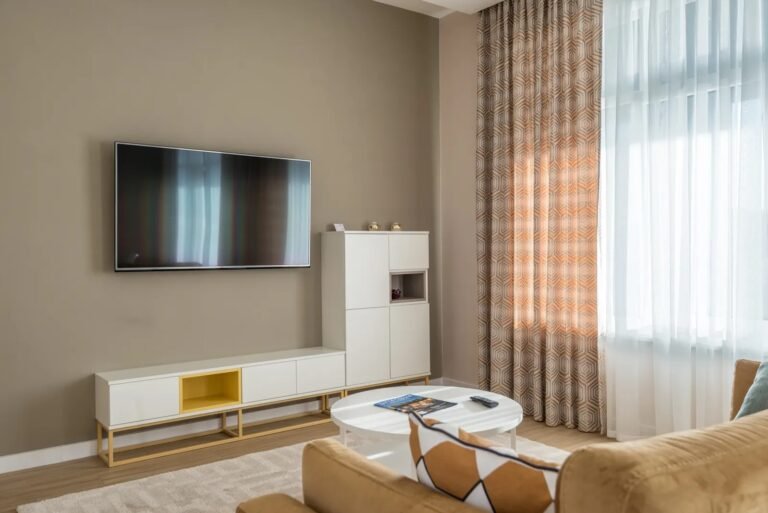
A calm neutral base gives a small lounge room to breathe, so start with warm whites, soft beige, light grey, or pale taupe on the largest pieces. The sofa, rug, and curtains can share this base, which keeps the room feeling open rather than chopped into blocks. Neutrals also make it easy to change the accent colour later without replacing the big pieces.
Add warmth by choosing neutrals with a warm undertone rather than a cold, blue-grey. A creamy white feels softer than a stark white, and a warm beige feels cozier than a cool stone. When the base is calm and warm, every layer on top feels intentional.

2. Add One Warm Accent Colour
A small lounge feels cozy when one warm accent colour repeats gently through the room, such as rust, terracotta, mustard, or soft olive. Use the accent on two or three small pieces, like a cushion, a throw, and a candle, rather than on every surface. The repeat makes the colour feel planned, while the limited amount keeps the room calm. For more on how warmth is shaping rooms, see House Beautiful’s 5 ways warmth has shaped interior design.
Keep the accent warm and muted rather than bright, because soft tones feel cozy in a small space. A rust cushion with a rust-toned throw, for example, warms a beige sofa without shouting. When one accent appears in small doses, the lounge feels layered and calm.

3. Layer Throws by Texture, Not by Colour
Throws feel richer when they differ in texture rather than in colour, so pair a chunky knit with a smooth cotton and a soft fleece in similar tones. The mix of textures catches light differently, which makes the sofa look soft and inviting. A single throw can look flat, while two or three textures make the seat feel deep and warm.
Fold the throws neatly or drape one over the arm rather than piling them in a heap. Keep the palette close so the textures do the work. When throws vary in feel but stay in one family of tones, the lounge feels cozy without looking busy.

4. Mix Cushion Sizes for a Soft Seat
Cushions make a small lounge feel comfortable, but only when their sizes vary and their number stays small. A large square cushion behind, a medium cushion in front, and a small lumbar cushion for support create a soft, layered seat. Too many cushions of the same size can make a small sofa look crowded and leave no room to sit.
Keep the cushion covers in two or three tones from the room’s palette, with one subtle pattern at most. A plain cushion with a lightly textured one feels richer than two loud patterns. When cushions vary in size and stay limited, the sofa invites you to sit rather than to tidy.

5. Choose a Rug That Warms the Floor Tone
A rug does more than define the seating zone, it also sets the floor’s colour temperature. A warm beige, soft terracotta, or muted jute tone under the sofa makes the floor feel warmer than a cold grey or stark white. The rug should be large enough to sit under the front legs of the seating, so the zone feels grounded. For rug ideas that define each zone, see Small Living Room Rug Ideas That Define Each Zone.
Keep the rug pattern simple in a small room, because a large bold pattern can make the floor feel busy. A subtle border or a soft texture is enough. When the rug warms the floor, the whole lounge feels softer underfoot and calmer to look at.

6. Soften Hard Edges With Fabric
Small lounges often have hard edges from tables, shelves, and window frames, and fabric is the gentlest way to soften them. A table runner, a soft curtain, or a fabric basket can round the look of a hard surface without hiding it. The fabric catches light and adds a quiet layer that makes the room feel less angular.
Keep fabric near the places where you sit and touch, such as the sofa, the chair, and the coffee table. A soft runner on a wooden table, for example, warms the centre of the room. When hard edges are softened with fabric, the lounge feels more comfortable to be in.

7. Keep Curtains Light and Warm
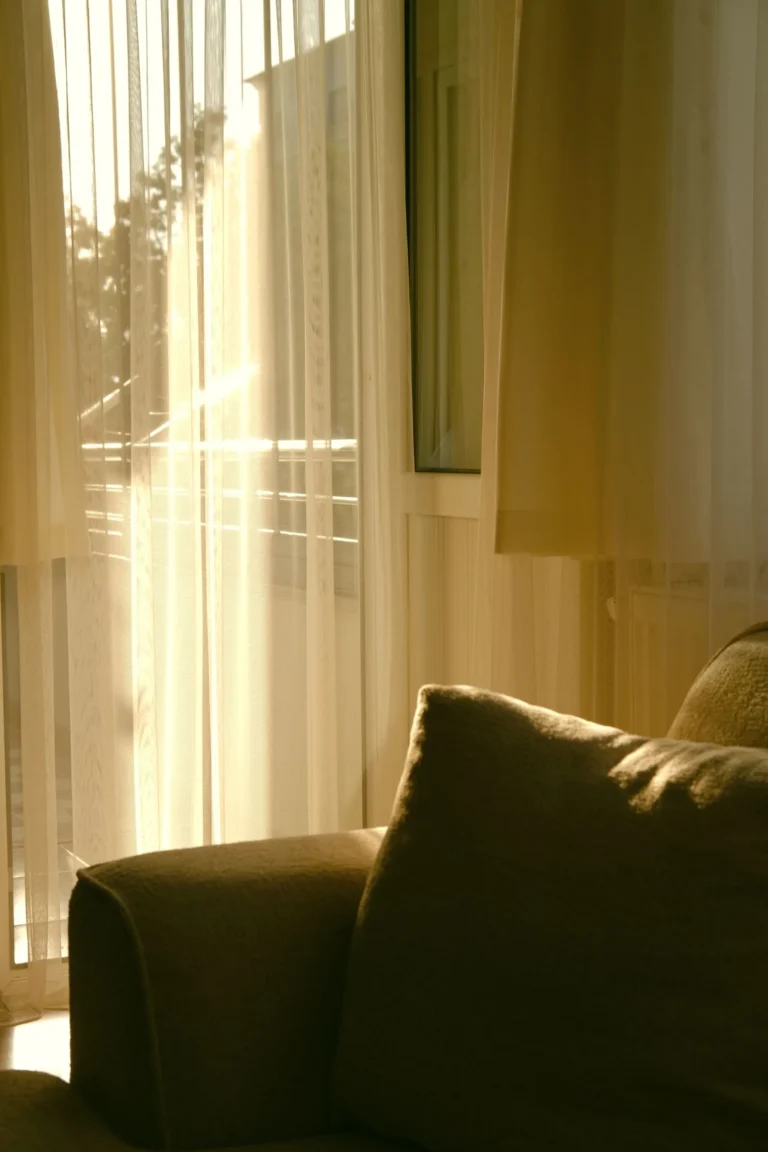
Curtains frame the light in a small lounge, so keep them light in weight and warm in tone. A sheer or light cotton curtain in cream, oatmeal, or soft white lets daylight through while giving privacy. Heavy dark curtains can make a small window feel smaller and the room feel darker, even when they are pulled open. For warm evening light to match, see Cozy Small Lounge Lighting Ideas For Warm Evenings.
Hang the curtain so it can pull fully to the sides during the day, letting the window give its full light. In the evening, the closed curtain adds a soft, warm layer that makes the room feel private. When curtains are light and warm, the lounge feels bright by day and cozy by night.

8. Repeat the Palette in Small Doses
A small lounge feels pulled together when its palette repeats in small doses around the room. If the accent is rust, let it appear on a cushion, a candle, and a book spine, not just on one pillow. If the neutral is oatmeal, let it appear on the rug, the curtain, and a basket. The repeat ties the room together without needing matching sets.
Keep each repeat small so the colour never dominates. A candle, a tray, or a small vase is enough to carry the tone. When the palette echoes quietly across the room, the lounge feels designed rather than decorated in pieces.

9. Use Natural Materials for Quiet Warmth
Natural materials add quiet warmth to a small lounge because they bring subtle texture and variation. Woven baskets, a jute rug, a wooden tray, a linen throw, and a cotton cushion each add a different natural feel without adding colour. The mix keeps the room interesting even when the palette stays neutral.
Keep the materials in a similar warm family so they blend. Light wood with natural jute and cream linen feels calm, while dark wood with black metal can feel heavier in a small room. When natural materials layer gently, the lounge feels warm and grounded.

10. Edit Until the Room Feels Calm
Textiles and colour work best when they are edited, so step back and remove one layer if the lounge feels full. A small room can hold only so many patterns, throws, and cushions before it feels crowded. Removing one cushion, folding one throw away, or swapping a patterned cushion for a plain one can restore the calm. For layout ideas that make the room feel bigger, see Cozy Small Lounge Layout Ideas Feel Bigger.
Check the room in daylight and again in evening light, because colours shift as the light changes. Keep the layers that still feel soft and remove the ones that compete. When the room feels calm to the eye, the textiles and colours are doing their job.

Final Thoughts
Warm textiles and a calm palette can make a small lounge feel cozy without new furniture or bold colour. Start with a neutral base, add one warm accent, and layer textures that feel soft to touch. When the layers are edited and repeated gently, the lounge will feel warm every day. For rugs that warm every room, see HGTV’s best rugs for every room.

What colours make a small lounge feel warm and cosy?
Warm whites, soft beige, light grey, and pale taupe make a calm base, while one warm accent — rust, terracotta, mustard, or soft olive — adds cosiness. Keep the accent warm and muted rather than bright, and choose neutrals with a warm undertone instead of a cold, blue-grey. Repeat the accent in small doses so the colour feels planned.
How do I mix textiles in a small lounge without clutter?
Layer throws by texture rather than by colour — pair a chunky knit with a smooth cotton — and vary cushion sizes, keeping their number low. Keep cushion covers in two or three tones from the room’s palette, with one subtle pattern. Fold throws or drape one over an arm, and remove one layer if the room feels full.
Which fabrics feel warmest in a small living room?
Chunky knits, wool, velvet, and woven jute feel warmest because they add texture and softness. Pair a chunky knit throw with a smooth cotton one, and mix natural materials such as light wood, jute, and cream linen in a similar warm family so they blend. A warm beige rug under the sofa also makes the floor feel warmer.
How can I warm up a neutral lounge with textiles only?
Add one warm accent colour — rust, terracotta, or soft olive — through a cushion, a throw, and a candle, then repeat it in small doses around the room. Layer throws by texture, soften hard edges with fabric near the seats, and hang light, warm curtains. Choose warm undertones for the neutrals so every layer feels intentional.
What rug size works best in a small lounge?
Choose a rug large enough to sit under the front legs of the seating, so the zone feels grounded and the floor feels warmer. A warm beige, soft terracotta, or muted jute tone sets the floor’s colour temperature. Keep the pattern simple in a small room, because a large bold pattern can make the floor feel busy.
Save this post on Pinterest for your next cosy evening, and try one small change tonight — fold a throw by texture, repeat one warm accent, or lay a warm rug under the sofa. Your warmest lounge starts with a single soft layer.




One Comment