

10 Cozy Studio Apartment Decorating Ideas on a Budget
Photo by Max Vakhtbovych on Pexels

Living in a studio apartment doesn’t mean giving up on comfort or style. With a few smart, budget-friendly touches, even the smallest space can feel warm, layered, and completely yours. Here are 10 easy ways to make your studio feel cozy without breaking the bank.
1. Layer Soft Textiles for Instant Warmth
Throw blankets, plush pillows, and a soft area rug are the fastest way to make a small space feel inviting. Mix textures like knit, faux fur, and linen to add depth without adding clutter. Start with the pieces you touch every day: a chunky knit throw draped over the arm of the sofa, a couple of plush cushions in different textures, and a soft rug underfoot. In a studio, these layers do double duty — they warm up hard floors and plain walls, and they make one open room feel like several inviting corners. Choose washable fabrics where you can, because small-space textiles earn their keep fast and need frequent freshening.
Keep the palette calm and consistent so the layers read as cozy rather than cluttered. Two or three colors repeated across the throw, cushions, and rug are enough, and a single bolder accent — a terracotta cushion or a deep green throw — gives the eye somewhere to land. Swap the lightest layer with the seasons: linen and cotton in summer, wool and faux fur when the evenings turn cold, so the studio always feels dressed for the weather outside.

2. Use a Large Area Rug to Define Zones
In a studio, one big rug can visually separate your sleeping area from your living area, making the space feel more intentional and layered even without walls. Size matters more than pattern here, so measure before you shop: the rug should be large enough for the front legs of your sofa and chairs to sit on it, with a clear border of floor showing around the edges. A rug that is too small makes each zone feel cramped and disconnected, while one generous rug pulls the seating together and quietly tells the eye where the living room ends and the bedroom begins.
Choose a low, flat weave if you walk across it in socks every morning, and save the deep pile for the bedside where bare feet will thank you. In a rental, a rug is also the easiest damage-free way to cover tired flooring and add color without paint, and a washable rug or a rug pad underneath keeps it from sliding on hard floors. If your budget only stretches to one rug, put it in the living zone and let a smaller, cheaper mat do the same job beside the bed.

3. Add Warm, Layered Lighting
Skip the harsh overhead light. A mix of a floor lamp, a small table lamp, and string lights creates a soft, cozy glow that makes any studio feel like a home, not a dorm room. Think in three layers and you will never need the ceiling light again: one tall floor lamp to wash the wall with a warm glow, one small lamp on a side table or shelf for reading, and a strand of fairy lights or a candle-style lamp for evenings when you want the room to feel like a retreat. Warm bulbs, around 2700K, flatter skin tones and wood finishes, while cool white bulbs make a small room feel like an office, so check the box before you buy.
Put the brightest lamp where you actually sit to read or work, and keep the dimmest light near the bed so your evenings wind down naturally. Battery-operated candles and plug-in wall sconces are renter-friendly options that add glow without new wiring, and a simple dimmer plug can turn a basic lamp into a mood lamp in seconds. When every light is warm and low, even a plain studio feels like a cabin after dark.

4. Choose a Cohesive Color Palette
Sticking to warm neutrals like cream, terracotta, and soft brown throughout your space makes a small studio feel calm and pulled-together instead of busy or cramped. Start with one main neutral you love — warm white, soft greige, or pale oatmeal — and let it cover the walls, the bedding, and the biggest pieces of furniture. When the largest surfaces share one calm color, the room instantly feels bigger and more settled, and every smaller choice becomes easier because you are only deciding whether it sits happily beside that main shade.
Then add two supporting colors and one accent, and repeat them in at least three places each so the eye travels around the room instead of stopping at one loud object. A terracotta cushion, a terracotta throw, and a terracotta print, for example, tie the sofa to the bed and the wall. Keep the accent small and the neutrals generous; in a studio, restraint is what makes the palette feel intentional rather than accidental.

5. Use Vertical Storage to Save Floor Space
Tall bookshelves, wall-mounted shelves, and hanging organizers keep your belongings off the floor, which instantly makes a studio feel more open and less cluttered. Look up before you look out: the wall above the sofa, the strip above the door, and the space over the bed are all storage waiting to happen. A tall, narrow bookshelf uses the same floor space as a side table but holds ten times as much, and floating shelves above a desk or a kitchen counter keep everyday items within reach without stealing a single square foot of floor. Choose shelves that match your wall color and they will read as architecture, not clutter.
Be honest about what deserves to live at eye level and what can go up high. Daily items — keys, chargers, the book you are reading — belong where your hand falls naturally, while seasonal things and keepsakes can live on the top shelves in matching boxes. Label the boxes if you must, but keep them uniform: a row of identical baskets looks calm, while a row of mismatched containers looks like a storage unit.

6. Add Greenery for Life and Texture
A few potted plants bring color and softness into a studio without taking up much space. Even one or two low-maintenance plants can make a room feel more alive.
Start with plants that forgive a little neglect, because a studio is a busy place and a thirsty plant will sulk fast. Pothos, snake plants, and ZZ plants all thrive in low light and survive the occasional forgotten watering, and a single trailing pothos on top of a bookshelf can soften a whole wall. If you have a sunny windowsill, add a small herb pot or two — basil and mint earn their space by flavoring your cooking as well as looking good.
Keep the pots in the same family of materials — plain terracotta, matte ceramic, or woven baskets — so a collection of five plants reads as one calm arrangement instead of a garden center. Hang one plant from the ceiling near a window to draw the eye upward, and keep the floor clear: in a small room, a plant stand or a wall-mounted planter beats a large floor pot every time. Wipe the leaves now and then; dust dulls the green and the plant will visibly perk up.

7. Hang Curtains High and Wide
Mounting curtain rods close to the ceiling and wider than the window makes ceilings feel taller and rooms feel bigger, all while adding soft, cozy texture to the space.
The rod matters as much as the fabric: mount it four to six inches above the window frame and extend it six to twelve inches past each side, so the curtains stack back against the wall and the whole window is exposed when they are open. This single move makes the window look wider and the ceiling taller at the same time, and it costs nothing more than a wider rod and two extra inches of fabric. In a studio, where the window may be your only real source of daylight, that extra glass area changes how the whole room feels.
Choose a fabric that suits the room’s job: sheer linen softens the light and keeps the room bright, while a heavier cotton or velvet gives privacy and warmth at night. Hem the curtains so they just brush the floor — pooling fabric collects dust in a small space, and curtains that stop short make the ceiling look lower. If you rent, a tension rod inside the frame or removable hooks will hold lightweight curtains without a single hole in the wall.

8. Create a Cozy Reading Corner
Even in a tiny studio, a single comfy chair, a small side table, and a warm lamp tucked into a corner can become your favorite spot in the whole apartment.
You do not need a spare room, only a spare corner: pick the spot with the best light, usually beside a window or near a floor lamp, and claim it with a chair that makes you want to sit down. An armchair with a high back feels like a hug, and a small side table keeps tea and a book within reach so you actually linger. Add a soft throw over one arm and the corner will invite you in even on the busiest days.
Keep the corner honest about its size — one chair, one table, one light — and resist the urge to pile books and gadgets around it. A small basket beside the chair holds the current read and a charger without turning the corner into storage, and a single piece of art at eye level gives the spot a finished feel. When the rest of the studio is busy, this corner is your permission to sit down and do nothing for a while.

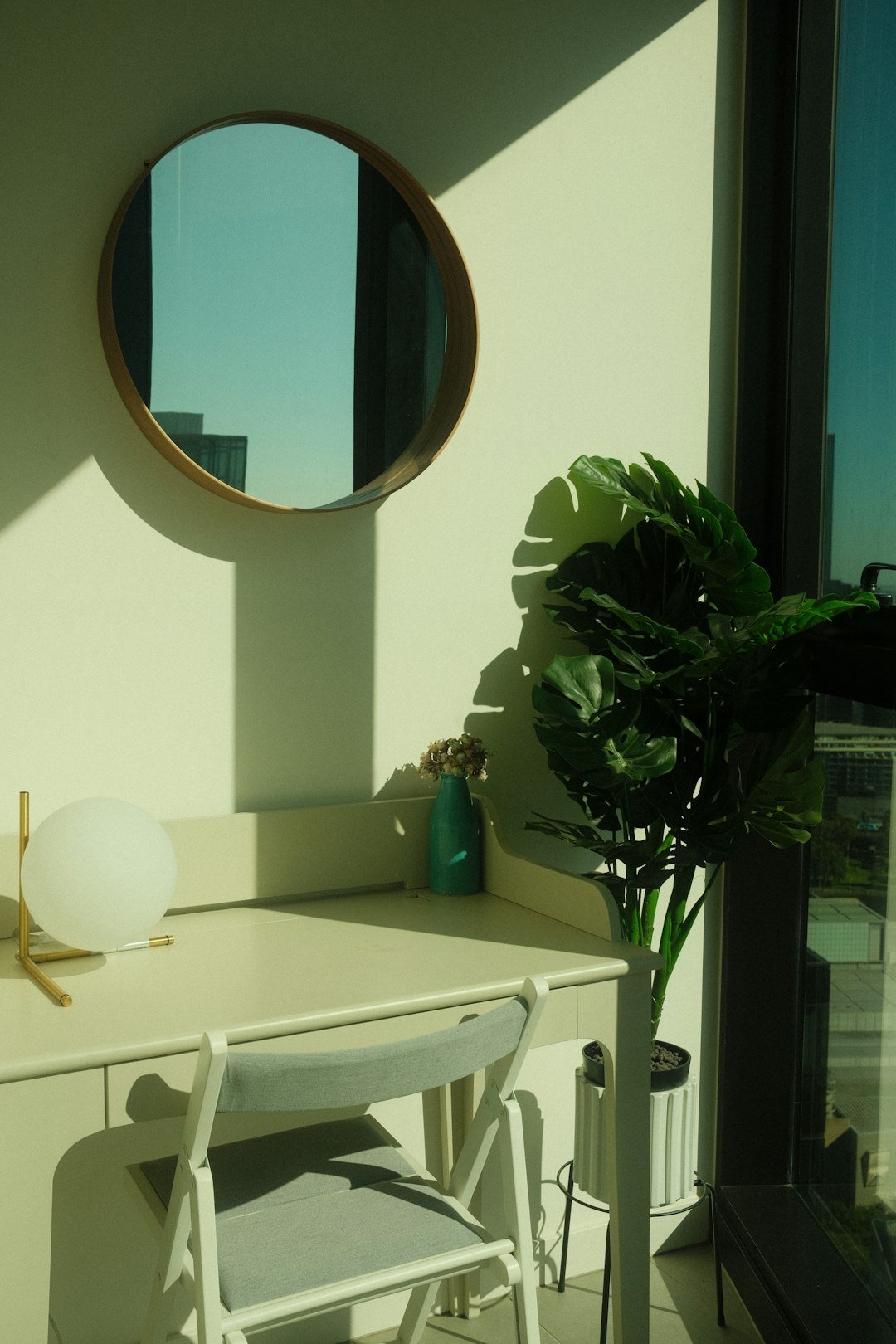
9. Use Mirrors to Open Up the Space
A large mirror leaning against a wall or hung opposite a window reflects light and makes a small studio feel noticeably more open and airy.
Placement is everything: hang or lean the mirror directly opposite a window and it will throw daylight deep into the room, doubling the brightness without a single extra bulb. A mirror opposite a blank wall does far less, so check what it will reflect before you commit to a spot — a pretty view, a plant, or a piece of art is worth doubling, while a pile of laundry is not. In a studio, a mirror that reflects the window can make the sleeping area feel like it has its own light source.
Choose the biggest mirror your wall and your budget allow, and favor one simple frame over a fussy one so the mirror reads as a window rather than a decoration. Leaning a full-length mirror against the wall is renter-friendly and lets you adjust the angle until the reflection is right, but secure the top with a small removable hook if you have children or pets. Clean it weekly — streaks and dust are twice as visible when the light bounces off them.
10. Personalize with Framed Art and Photos
A gallery wall or a few framed prints instantly make a rented studio feel like your own home. Choose warm, cozy imagery to tie the whole look together.
A gallery wall works best when it has a plan: lay the frames on the floor first, leave two to three inches between them, and keep one straight edge — a shared top line or a centered middle — so the group feels arranged rather than scattered. Mix sizes but keep the frames similar in color or material, and include one or two pieces that are not photos, like a print or a small textile, so the wall has texture as well as memories. Paper templates taped to the wall let you test the arrangement without putting a single nail in.
If your lease forbids nails, picture-hanging strips and small removable hooks hold most frames safely, and a picture ledge lets you lean and swap art without any holes at all. Keep the art at eye level — the center of the arrangement around 57 inches from the floor — so it feels part of the room rather than decoration floating near the ceiling. Rotate one or two pieces with the seasons and the wall will keep feeling fresh without any new spending.

Small space living doesn’t mean sacrificing style. With warm lighting, soft textiles, and a few intentional touches, your studio apartment can feel just as cozy as a much bigger home. Which of these ideas are you trying first?
Key Takeaways
Start with soft textiles and warm, layered lighting — those two moves alone make a studio feel cozy on any budget. Define zones with one large rug, keep the palette to warm neutrals with a single accent, and use the walls for storage and art so the floor stays clear. Add plants, hang curtains high, and claim one small corner just for yourself. Small spaces reward consistency more than spending, so repeat what works and let the room grow cozy over time.
Your turn: pick one idea from this list and try it this weekend, then tell us how it went in the comments below. And if you are still planning your layout, start with the room you use most — a cozy studio is built one small, intentional change at a time.
Further reading:
HGTV: 50 Smart Design Ideas for Small Spaces
IKEA: A Complete Rug Size Guide
More from CozyCraftly: how to make a small apartment feel cozy, cozy reading nook ideas for small spaces, and cozy small bedroom ideas.
How do I make a studio apartment feel cozy on a budget?
Layer soft textiles, warm lighting, and one or two plants, and choose a warm neutral palette so the whole space feels calm. Shop second-hand first, reuse what you own, and change one zone at a time. Small, low-cost touches add up quickly, and a studio feels cozy when every corner has a clear purpose.
How do I separate sleeping and living areas in a studio?
Use a large rug, a bookshelf, a curtain, or a folding screen to mark the sleeping area, and keep the bed on one side of the rug. Choose furniture that defines zones without blocking light, such as an open shelf instead of a solid wall. Keep walkways clear so the division feels intentional, not cramped.
What is the best rug size for a studio apartment?
One large rug under the main seating area works best, big enough for the front legs of the sofa and chairs. In the sleeping zone, a smaller rug beside the bed is enough. Measure each zone before buying, and avoid several small rugs, which can make a studio look scattered and busy.
How can I add storage to a studio without clutter?
Use tall shelves, under-bed boxes, and furniture with hidden storage, such as an ottoman or a bed with drawers. Keep everyday items within reach and seasonal items higher up or under the bed. Edit regularly, because a studio stays tidy only when everything has one home and nothing extra stays.
What lighting works best in a small studio?
Layered warm lighting works best: a floor lamp, a table lamp, and string lights instead of one harsh overhead light. Use warm-white bulbs around 2700K, and place lamps where you read, cook, and relax. Dimmers or smart bulbs let you soften the light at night, so the studio feels calm and cozy.



6 Comments