

Photo by Rahul Pundir on Pexels

A reading nook doesn’t need its own room — it just needs a few square feet, a comfortable seat, and the right light. In a small apartment, this tiny dedicated corner can become the one spot that feels completely, quietly yours, separate from the rest of your daily routine even though it’s only a few steps away.
Here are 10 ways to build a cozy reading nook in a small space, no matter how little square footage you’re working with.
1. Claim an Underused Corner
Every apartment has a corner that isn’t being used well — next to a window, beside a bookshelf, or in the gap next to a closet. Walk through your space and look specifically for these “dead zones”; they’re almost always big enough for a single chair and a small side table.
Once you’ve found your corner, measure it before buying furniture. A nook only needs about 3 feet by 3 feet to feel complete, so don’t overlook a space just because it looks too small at first glance.

2. Choose One Statement Chair
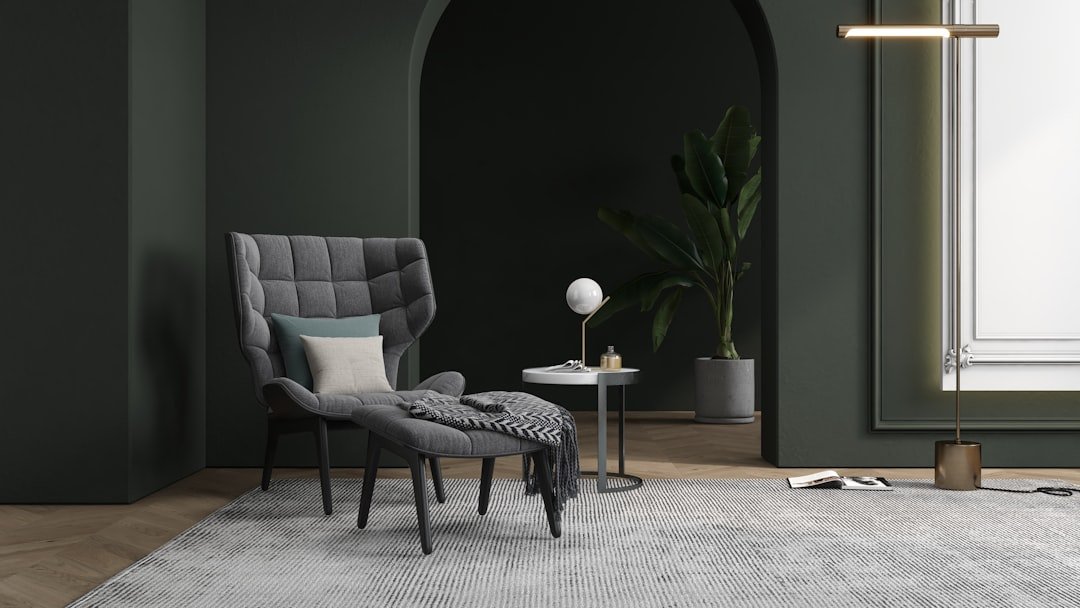
Your reading nook lives or dies by the comfort of its chair. A slim armchair, a papasan, or even a floor cushion with a backrest can all work — the key is picking one seat you’ll actually want to sit in for an hour, not whatever spare chair you already own.
If floor space is tight, look for a chair with slim, tapered legs rather than a bulky frame — it will visually “disappear” more and keep the corner feeling open.
3. Add a Dedicated Reading Lamp
Overhead lighting is rarely positioned well for reading. A single adjustable floor lamp or a clip-on task light aimed directly at your book makes a huge difference in comfort, and instantly signals that this corner has a specific purpose.
Look for a warm-white bulb (2700K) and a lamp with an adjustable arm or head, so you can direct the light exactly where you need it without straining your eyes or lighting up the whole room.

4. Layer in a Soft Throw and Pillow
A throw blanket draped over the arm of your chair and one or two pillows instantly make a reading nook feel inviting rather than like a stray chair in a corner. These small textile touches are what separate a “nook” from just furniture placement.
Choose textures you’ll actually want to touch — a chunky knit throw or a soft boucle pillow both add tactile comfort that makes you want to sit down and stay a while.

5. Add a Small Side Table
A reading nook needs somewhere to set down a mug, your glasses, or the book you’re not currently reading. Even a small stool or a narrow plant stand repurposed as a side table solves this — it doesn’t need to be a matching furniture set.
Keep the table small enough that it doesn’t crowd your chair, but tall enough to reach easily from a seated position — roughly the same height as your chair’s armrest works well.

6. Use a Rug to Anchor the Space
A small rug underneath your chair visually defines the nook as its own zone, separate from the rest of the room, even without any walls. This is especially useful in a studio apartment where your reading nook might be just a few feet from your bed or kitchen.
A round rug can work particularly well in a corner nook, softening the straight lines of the walls and furniture around it.

7. Add A Bookshelf or Small Stack Nearby
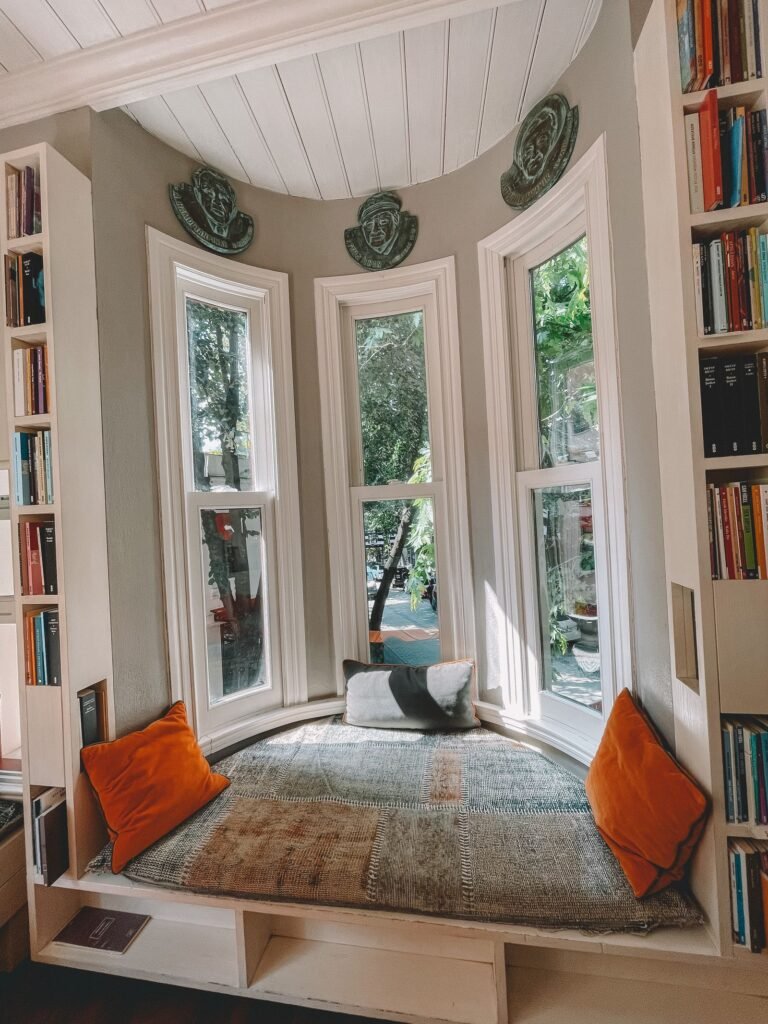
Keeping a few books within arm’s reach — on a small shelf, a stack on the floor, or a slim rolling cart — reinforces the purpose of the space and saves you from getting up mid-chapter. This doesn’t need to be a full library, just enough for what you’re currently reading or want to read next.
A small wall-mounted shelf above or beside your chair is a great renter-friendly option that keeps books close without taking up floor space.

8. Bring in a Plant for Softness
A single plant beside your reading chair adds a sense of calm and organic texture that pairs naturally with a cozy, quiet corner. Choose a low-maintenance variety so it doesn’t become one more thing to worry about.
A trailing plant like a pothos on a nearby shelf, or a taller floor plant like a snake plant beside the chair, both work well without competing for floor space.

9. Use Curtains or a Room Divider for Privacy
If your reading nook is in a studio or open-plan space, a curtain on a tension rod or a slim folding screen can visually separate it from the rest of the room, making it feel like its own retreat even without a real wall.
This is especially useful for a nook placed near a shared living area, where a bit of visual separation makes the spot feel more private and restful.

10. Personalize With One Meaningful Object
A candle, a piece of art, or a small memento placed near your reading chair makes the nook feel like it belongs to you specifically, not like a generic corner. This one small detail is often what makes a reading nook feel finished.
Choose something that means something to you rather than something purely decorative — a small nook is the perfect place for a personal touch that wouldn’t necessarily fit anywhere else in your home.

Final Thoughts
A cozy reading nook doesn’t require a spare room or a big budget — just a comfortable chair, the right light, and a few square feet claimed for exactly one purpose. Once you’ve built the space, the habit of actually using it tends to follow naturally.
More from CozyCraftly: cozy small bedroom ideas, how to make a small apartment feel cozy, and cozy studio apartment decorating ideas.
How much space do I need for a reading nook?
About three feet by three feet is enough for a slim chair, a small side table, and a lamp, as long as you measure the corner first. Choose a chair with slim legs so it does not crowd the space, and keep the nook clear of bulky furniture. Even a narrow window corner works if the seat fits and your knees have room to turn.
What is the best chair for a small reading nook?
A slim armchair with tapered legs, a papasan, or a comfortable floor cushion works best, because each one fits a tight corner without blocking light. Sit in it for at least ten minutes before you buy, checking back support and arm height. Avoid bulky recliners, which eat floor space and make a small nook feel cramped and dark.
What lighting is best for reading?
A warm-white bulb around 2700K in an adjustable floor or clip-on lamp is best, because you can aim the light at the page without glare. Place the lamp behind or beside your shoulder, not in front of you, and add a dimmer if you read at night. Good light protects your eyes and makes the nook feel calm after dark.
How do I make a reading nook feel private in a studio?
Hang a curtain on a tension rod, use a slim folding divider, or place a tall plant beside your chair to mark the nook as its own zone. A rug under the chair also helps define the space without building anything. Keep the screen light and movable, so the nook still gets daylight and the room does not feel closed in.
How can I store books near my reading nook without a big shelf?
Keep a small stack on the floor, on your side table, or on a slim wall-mounted shelf beside the chair, rotating just a few books at a time. A rolling cart also works in a tight corner and moves out of the way when you need floor space. Store the rest of your books elsewhere, so the nook stays tidy and inviting.



7 Comments