
Cozy Corner Ideas In Small Rooms That Feel Calm
A calm corner starts before the decorating does, because coziness without calm is just clutter in a corner. The most restful corners in small rooms are the simple ones: one seat, one surface, one light, and nothing that does not earn its place. When a corner feels calm, it becomes the place you go to slow down.
Here are 10 cozy corner ideas in small rooms that feel calm, with soft light, clear surfaces, and one restful seat.
Key Takeaways
- Start with one seat, one surface, and one light — nothing that does not earn its place.
- Keep a neutral, warm palette and one texture, not five.
- Clear the surface every evening and keep the floor visible around the corner.
- Choose soft, warm lighting over harsh overhead light.
- Do the two-minute sit-down test before calling the corner finished.

1. Start With One Seat, One Surface, One Light
The calmest corners begin with three things and nothing more: one seat, one surface, and one light. A chair, a small table, and a lamp are the whole foundation. Resist the urge to add a second chair, a plant stand, and a magazine rack on day one.
Live with the three pieces for a week before adding anything. You will quickly feel what is missing and what was never needed. When a corner starts simple, everything added later has to earn its place, and the calm survives the decorating.

2. Keep a Neutral, Warm Palette
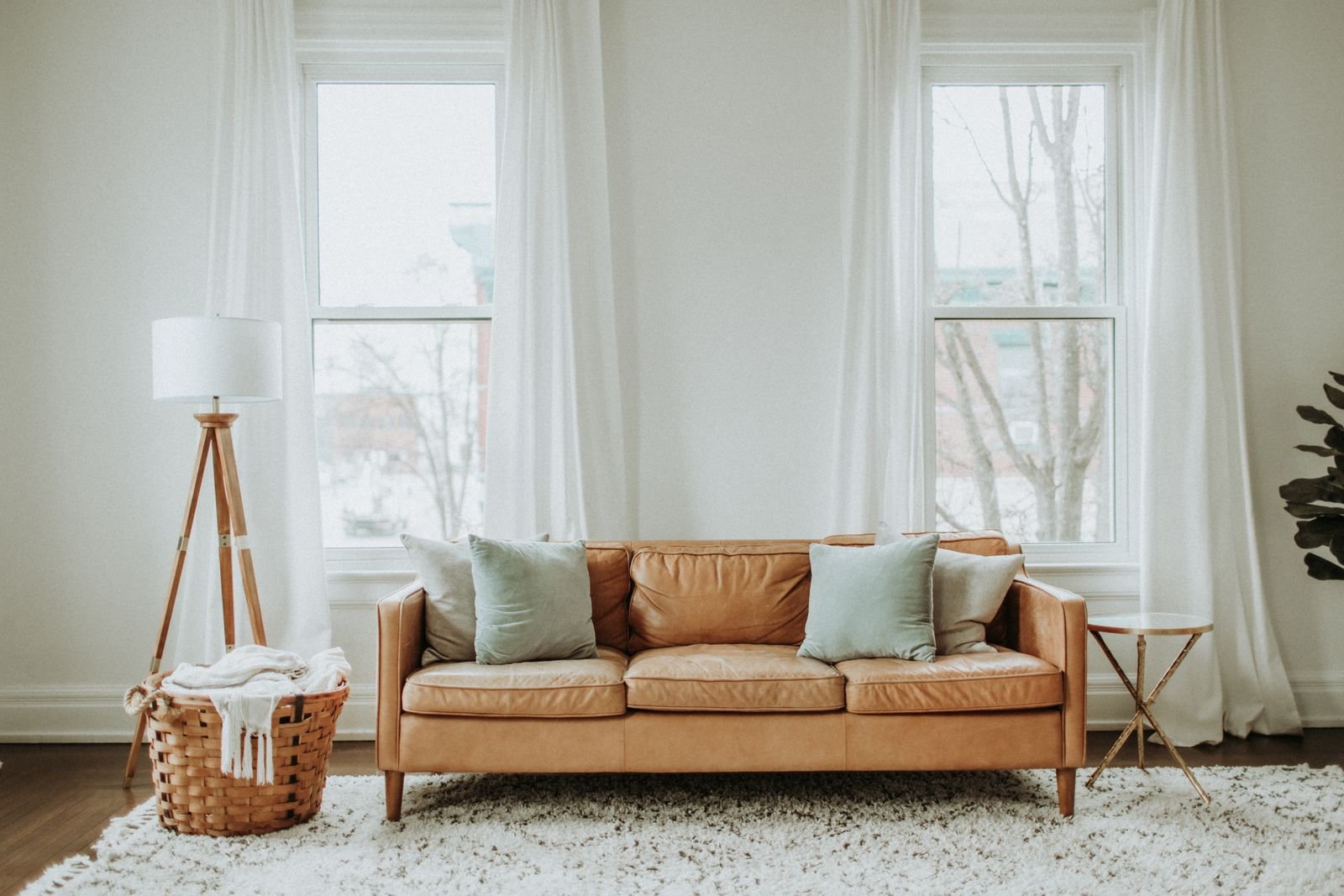
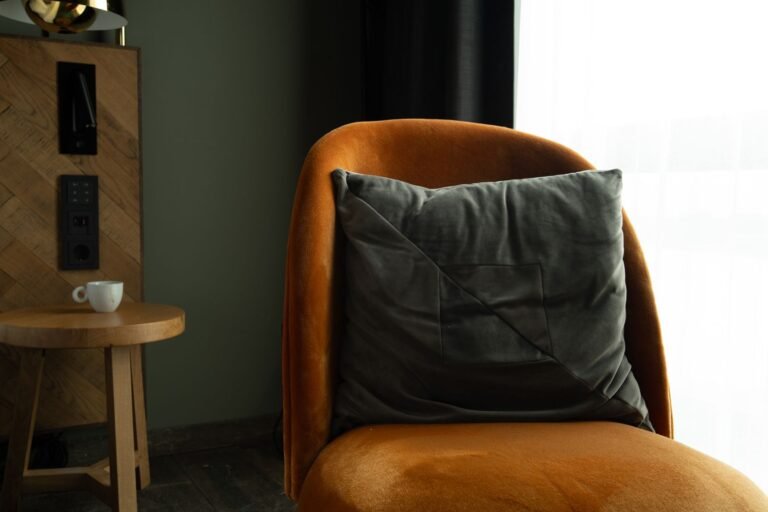
Calm corners speak softly, and a neutral, warm palette is how they do it. Soft white, warm beige, pale oat, and natural wood tones all sit quietly together. One gentle accent, like a sage cushion or a terracotta throw, is enough to give the corner character without noise.
Match the bigger pieces in the same family of tones so nothing shouts. Busy patterns and bright colours can wait for another room. When the palette stays warm and quiet, the corner feels restful the moment you sit down.
3. Clear the Surface Every Evening
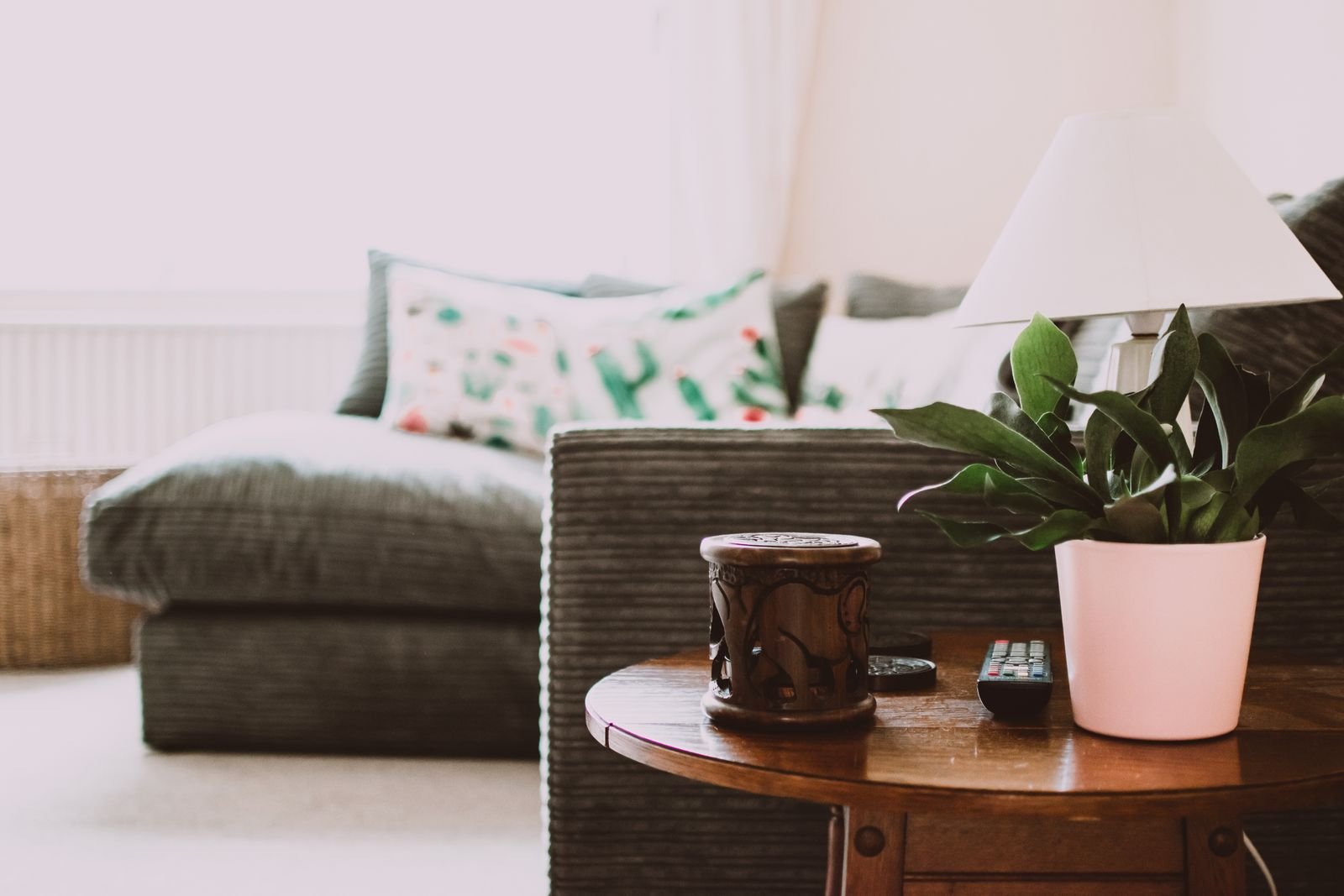
A calm corner has a clear surface, because a crowded table reads as unfinished business. Each evening, return the book to the shelf, take the mug to the kitchen, and put the glasses back in their case. The table should hold the lamp and almost nothing else.
The evening clear takes a minute when it is daily, and an hour when it is monthly. Make it part of the wind-down, not a chore. When the surface starts each day clear, the corner feels calm before you even sit in it.
4. Choose Soft, Warm Lighting
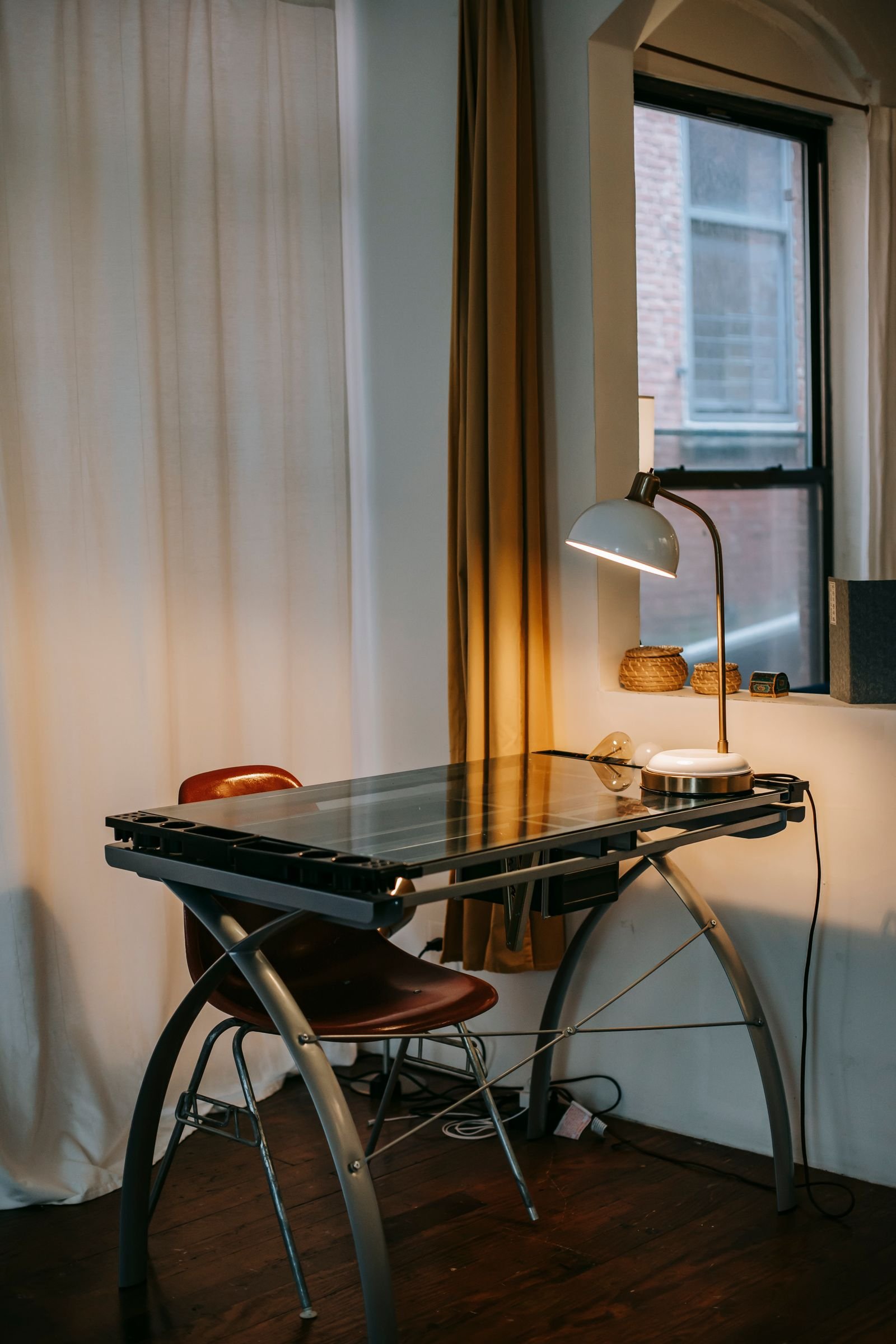
Cool white light keeps a room alert, which is the opposite of what a calm corner should do. Choose warm bulbs and keep the light low and indirect: a shaded lamp, a small lantern, or a string of warm fairy lights tucked behind the chair. The corner should glow, not glare.
Avoid mixing warm and cool bulbs in the same corner, since the clash feels restless. A dimmer on the lamp lets the corner shift from reading bright to evening soft. When the light is warm and gentle, the corner feels like evening all day.
5. Pick One Texture, Not Five
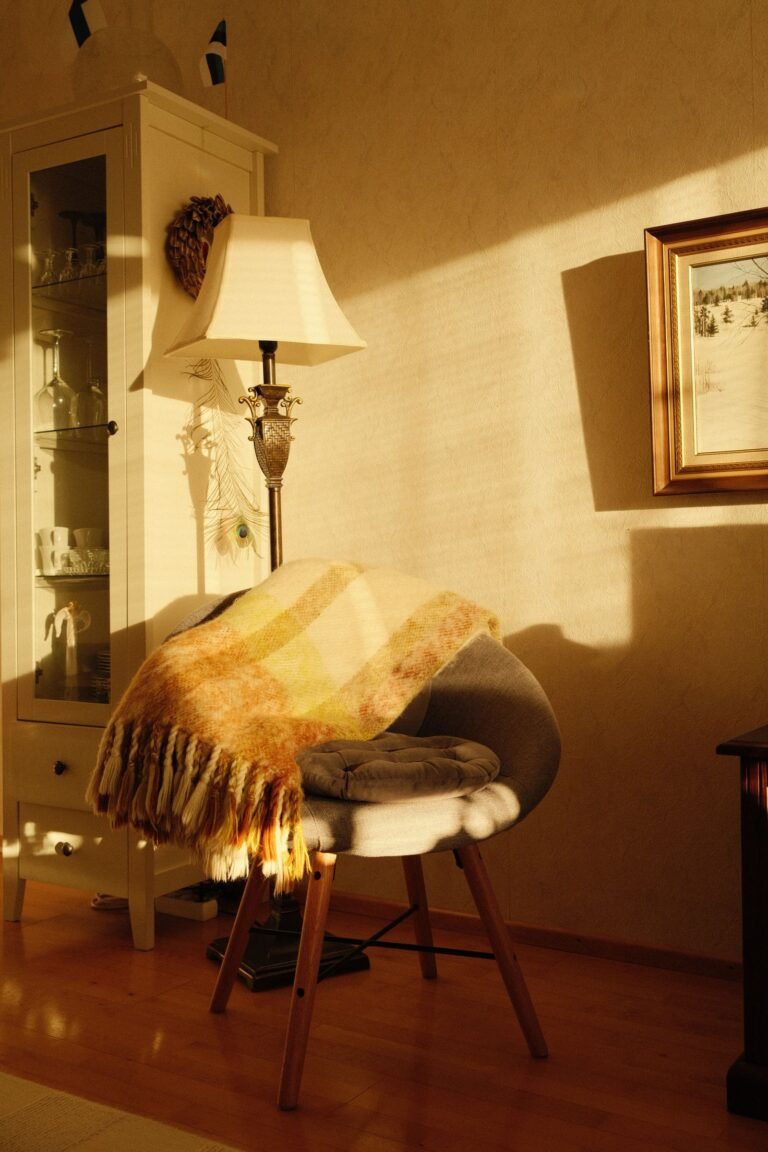
Texture is what makes a corner feel soft, but five textures at once feel busy. Pick one hero texture — a chunky knit throw, a velvet cushion, or a sheepskin — and let everything else stay plain. The one texture becomes the thing you reach for, and the corner feels calm because the eye rests.
Rotate the hero texture with the seasons if you like: wool in winter, cotton in summer. Keep the rest of the corner simple so the texture can lead. When one texture carries the softness, the corner feels deep rather than decorated.

6. Keep the Floor Visible Around the Corner
A corner feels calmer when the floor runs clean around it, because visible floor tells the eye the room has space. Keep bags, boxes, and extra cushions off the floor beside the chair. One small rug can mark the corner, but the floor beyond it should stay clear.
Choose a chair with legs rather than a solid base, so the floor shows underneath. Tuck the basket behind the chair, not in front of it. When the floor stays visible, even the smallest room feels like it has room to breathe.

7. Hide Cables and Chargers in a Basket
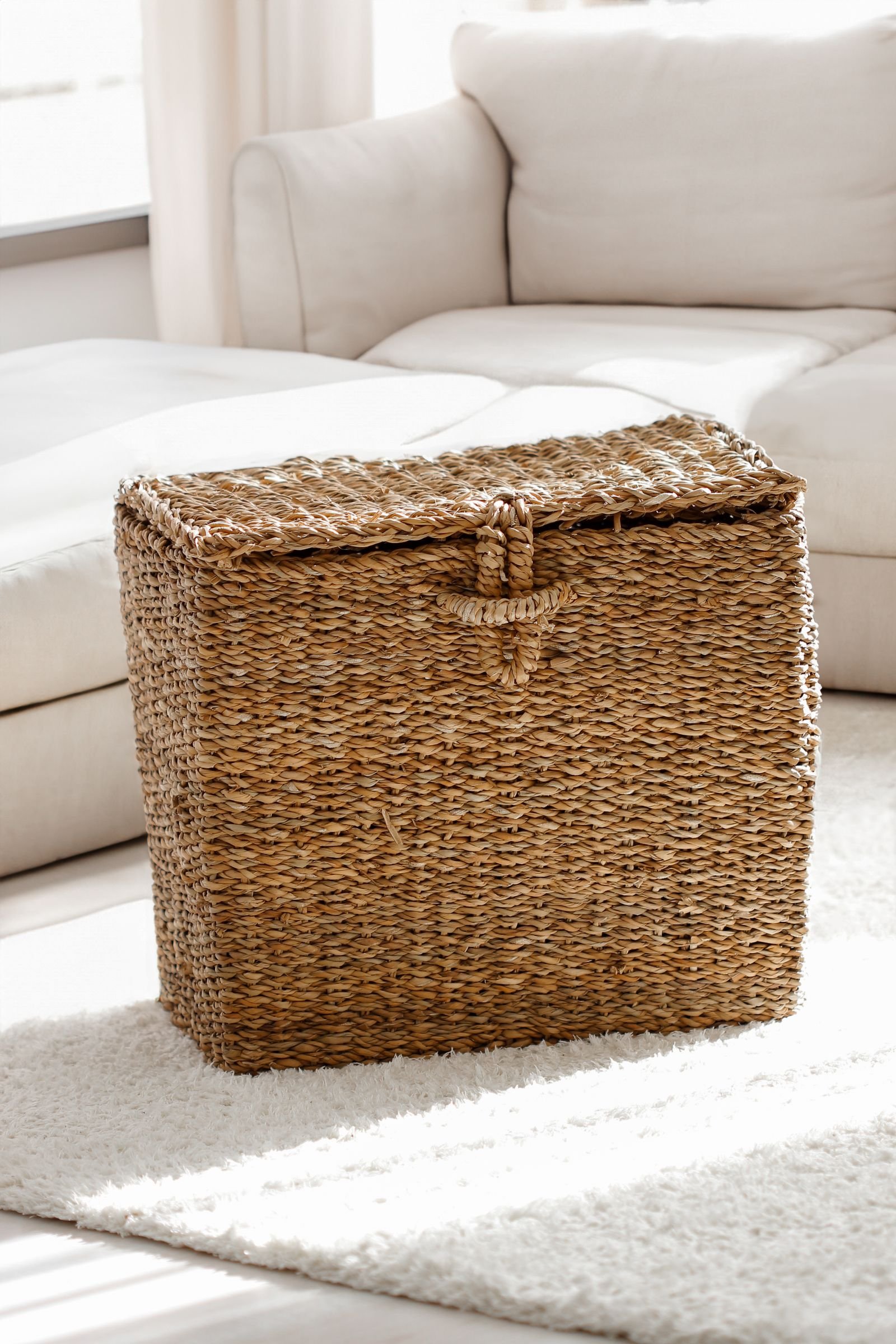
Cables are the enemy of calm, and a calm corner cannot have a tangle of chargers behind the chair. Keep one small basket or box beside the seat for the charger, the cable, and the earbuds. The devices charge out of sight, and the corner stays clean.
Run the cable to the basket from the nearest socket, tucked along the skirting. When a device is done charging, it leaves the corner. When the cables hide in their basket, the corner keeps its quiet even in a connected home.
8. Add a Low-Maintenance Plant, or None at All
A plant can calm a corner, but a struggling plant does the opposite. If the corner gets decent light and you will water weekly, one easy plant like a pothos or a snake plant is lovely. If the corner is dark or you travel often, skip the plant entirely — a calm corner does not need one.
Never keep a plant out of guilt; a brown, crispy plant is not calming. A small vase with a single stem, changed weekly, is a lighter alternative. When the greenery is happy or absent, the corner stays serene either way.

9. Add Scent, Placed Safely
Scent is part of calm, and a small corner needs only a little of it. A reed diffuser on a high shelf, a linen spray on the cushion, or a scented candle on a stable surface all work. Keep any flame well away from the throw, the curtains, and the books, and never leave a candle burning unattended.
Choose one gentle scent and keep it consistent, so the corner always smells like itself. Lavender, sandalwood, and clean cotton all suit a calm corner. When the scent is soft and safe, the corner feels restful the moment you step toward it.

10. Do the Two-Minute Sit-Down Test
Before adding anything new to the corner, do a two-minute sit-down test. Sit in the chair for two full minutes and notice what you reach for and what annoys you. The test reveals what the corner truly lacks — a footrest, a warmer light, a place for your tea — better than any shopping list.
Add only what the test asks for, one thing at a time. If the test reveals nothing missing, the corner is done. When every addition passes the sit-down test, the corner stays calm because nothing in it is there by accident.

Final Thoughts
A calm corner in a small room is built from restraint: one seat, one surface, one light, a warm palette, and clear floors — with every new thing passing the sit-down test first. Start with the three basics and let the corner tell you what it needs. When the corner feels calm, the whole room follows.
Related reading: Small Space Cozy Corner Ideas For Quiet Relaxing, Small Reading Nook Ideas That Feel Truly Cozy, and Cozy Corner Ideas For Small Spaces That Work
Save this calm corner plan on Pinterest, then read a related corners post to build your next quiet spot.
What makes a corner feel calm instead of just cozy?
Restraint makes it calm: one seat, one small surface, one soft light, a warm neutral palette of whites, beige or light grey, and nothing extra in the corner. Cozy adds layers; calm removes them, leaving floor visible and one texture to soften the space, so the corner feels settled rather than filled.
How do you stop a calm corner getting cluttered again?
Clear the surface every evening, hide cables and chargers in one closed basket or box, and keep the floor visible around the corner. Keep only one thing on the small surface — a book, tea, or plant — and put the rest away. Saying no to one extra piece each week keeps the corner calm instead of cluttered again.
What lighting works best for a calm corner?
Soft, warm lighting at your own level works best — one table lamp or warm lantern, not bright overhead glare. Place the light beside the seat so it pools where you sit, and add scent safely if you use a candle. Warm light, a neutral base, and a clear floor make the corner feel calm after dark.
Should a calm corner have a plant?
A low-maintenance plant works, or none at all — the calm comes from simplicity, not from adding more. One small plant, a branch in a vase, or a natural piece of wood or bamboo adds life without clutter. If plants are not for you, skip them; a clear surface and visible floor do the same work.
How do you test whether a corner is actually relaxing?
Sit down for two minutes with nothing to do and notice what you reach for. If you reach for something to fix, the corner is not finished — move the seat, change the light, or remove one thing. When sitting feels easy and your shoulders drop, the corner is actually relaxing.



10 Comments