
Small Hallway Corner Ideas That Use Dead Space Well
A dead hallway corner is the space you walk past a hundred times and never use. It is too small for furniture, too awkward for storage, and too visible to ignore. These small hallway corner ideas turn that wasted corner into an entry zone that earns its keep: somewhere to sit, hang, drop keys, and catch your breath on the way in.
The rule is slim, not deep. Hallways are walkways first, so every piece must hug the wall and leave a clear path. Measure first, buy second, and let one mirror and one light do the visual work that bulky furniture cannot.
Key Takeaways
- Measure the dead corner before buying anything — hallway pieces fail on depth, not width.
- Go slim: a console, a hook row, a bench and a basket beat one deep cabinet every time.
- A mirror and a plug-in lamp make a dark corner feel like a zone, not a gap.
- A one-minute reset on arrival keeps the corner working instead of piling up.

1. Measure the Dead Corner Before Buying Anything
Hallway corners punish guesswork. A console that looks slim online can still block the path once its depth, door swing and your own stride are added in. Measure width, depth and height, then mark the footprint on the floor with tape and walk past it for a day.
Leave a clear walking width you can pass through carrying bags — if you have to turn sideways, the piece is too deep. Write the measurements on your phone before shopping, and do not buy anything that exceeds them, however good it looks.

2. Add a Slim Console, Not a Deep Cabinet
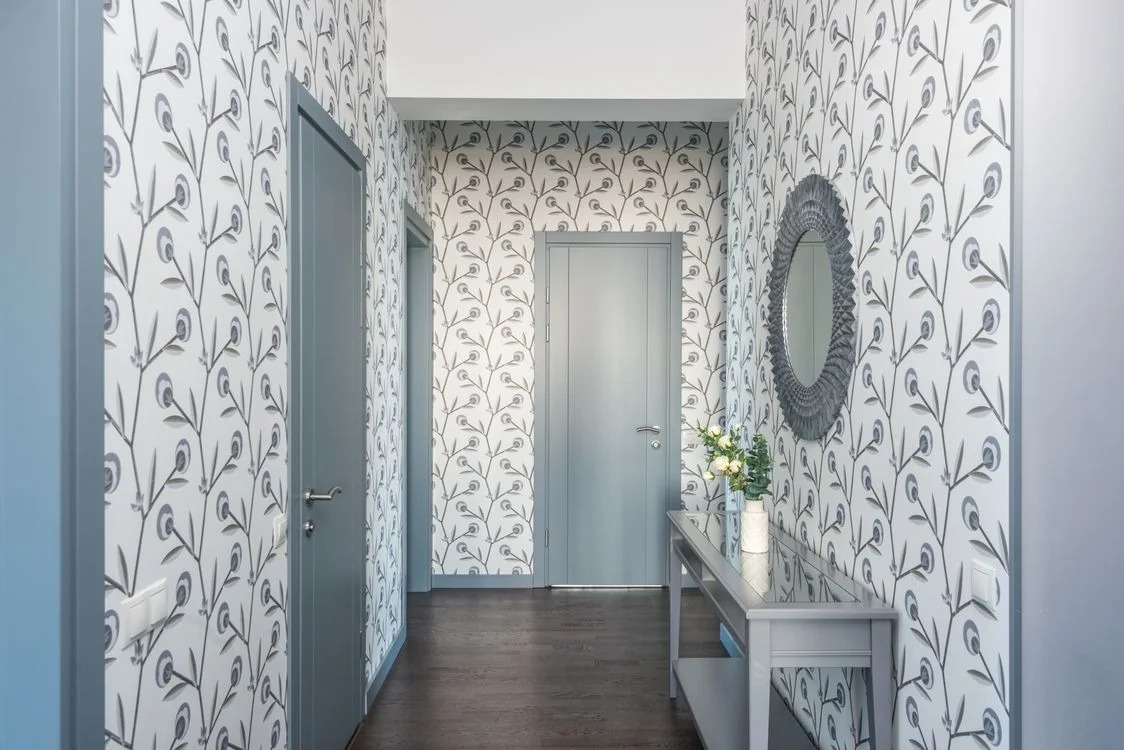
A slim console gives you a landing surface for keys, post and a lamp without swallowing the hallway. A deep cabinet, by contrast, turns a walkway into an obstacle course and its doors need swing room you do not have. Slim wins because the hallway stays a hallway.
Choose a console no deeper than the tape outline you marked, with an open lower shelf for baskets if you need hidden storage. Keep the top mostly clear — one vase or one lamp — so it stays a landing spot rather than a display shelf.
3. Hang One Hook Row at Grab Height
Coats on a chair, bags on the floor, keys in a pocket — a hallway without hooks collects clutter at ankle height. One hook row at grab height, reachable without stretching, gives every coat and bag a home the moment you walk in. One row is enough; two rows invite overload.
Fix the row at a height every household member can reach, and assign one hook per person plus one spare for guests. If a hook stays empty for a week, it is spare capacity, not a failure — the row is working when the floor is clear.

4. Put a Small Bench or Stool for Shoes
Sitting to put shoes on beats hopping on one foot, and a small bench gives shoes a place that is not the middle of the floor. A low bench or stool, tucked against the wall, turns the shoe shuffle into a thirty-second sit-down instead of a hallway traffic jam.
Pick a bench you can also slide a basket under — shoes inside the basket, bench top clear for sitting. Keep the bench shorter than the wall it sits on, so the corner still reads as open rather than furnished to the edge.

5. Use a Basket for the Things That Pile Up
Every hallway has a pile: gloves, scarves, dog leads, reusable bags. A basket catches them in one place, hides the mess, and can be carried to its proper home when it fills. Without a basket, the pile spreads across the console, the bench and the floor.
Use one basket, not three, and empty it weekly. A basket that never empties becomes furniture, and a second basket starts a collection. Label it only if the household needs the reminder — otherwise, let its position by the door do the talking.

6. Light It With a Plug-in Lamp, No Wiring
Dead corners are often dark corners, and a dark corner feels like a gap rather than a zone. A small plug-in lamp on the console fixes that without an electrician, a drill, or a landlord conversation. Light tells the eye the corner is intentional.
Choose a warm bulb and a lamp short enough to sit under the mirror without blocking it. Run the cable neatly along the wall or behind the console, and put the lamp on a timer if you come home after dark — a lit corner welcomes you in.

7. Add a Mirror to Bounce Light Down the Hall
A mirror is the cheapest way to make a hallway feel longer and brighter. Hung opposite or beside a light source, it bounces daylight and lamplight down the hall instead of letting it die in the corner. It also gives you a last look before you leave.
Hang the mirror at face height for the tallest regular user, and keep it large enough to be useful — a tiny mirror decorates, a proper mirror works. Wipe it weekly; a dusty mirror in a hallway shows every fingerprint.

8. Keep a Tray for Keys and Post by the Door
Keys live in pockets, coats, bags and bowls — everywhere except where you need them. A small tray or dish by the door ends the search: keys and post land in one spot on arrival and leave from the same spot. The tray works because it is the first thing you touch, not an extra step.
Keep the tray shallow and empty it of post daily, or post becomes a second pile. One tray, one purpose: if sunglasses, coins and receipts join it, split them into the basket and keep the tray for keys and post only.

9. Mark It With a Small Rug so It Reads as a Zone
A bare corner is a gap; the same corner with a small rug is a zone. The rug marks where the entry area starts, catches dirt from shoes, and signals to everyone that this spot has a job. It costs little and changes how the whole hallway reads.
Pick a rug that fits inside the corner’s footprint without curling into the walkway, and choose a washable, low-pile one — hallway rugs take the dirtiest traffic in the house. Shake it out weekly and it will keep doing its job for years.

10. Do a One-Minute Reset When You Come Home
A hallway corner works only if it is reset. When you come home, take one minute: hang the coat, drop keys in the tray, shoes in the basket, post on the console. One minute on arrival saves a ten-minute tidy later, and the corner stays a zone instead of reverting to a pile.
Make the reset the last step of arriving, before you sit down. Once you sit, the reset will not happen. If the minute feels long, the corner has too much in it — shrink the contents, not the habit.

Final Thoughts
A dead hallway corner does not need a renovation — it needs measurement, slim pieces and one minute of habit. Console, hooks, bench, basket, lamp, mirror, tray, rug: each piece is small, but together they turn a gap you walk past into a zone that works every time you come home. Start with the tape measure, add one piece at a time, and let the one-minute reset keep it working.
What is a dead space in a hallway?
Dead space is an unused corner or gap in a hallway that is too small or awkward for normal furniture, often beside a door or at a turn. It is the space you walk past many times and never use, yet slim, wall-hugging pieces can make it useful without blocking the walkway, turning a wasted corner into an entry zone.
How wide should a hallway console table be?
Slim enough to leave a comfortable walking path — measure your corner and mark the footprint with tape first, then buy a console that fits inside it with room to walk past. Hallway pieces fail on depth, not width, so in a narrow hallway a 20 cm console can leave the walkway clear where a 35 cm one blocks it.
How can I make a dark hallway corner brighter without wiring?
Use a small plug-in lamp on the console and a mirror to bounce its light down the hall. Choose a warm bulb and a lamp short enough to sit under the mirror without blocking it, run the cable neatly along the wall, and put the lamp on a timer so a lit corner welcomes you home after dark.
Where should I put keys in a small hallway?
In one shallow tray or dish by the door, used every time you arrive and leave. Keep post in the same spot and clear it daily so it does not become a pile. A one-minute reset on arrival keeps the corner working instead of piling up, so keys, post and the tray all stay in the same place.
What is the best rug for a small hallway?
A washable, low-pile rug that fits inside the corner’s footprint without curling into the walkway. It marks the entry zone and catches dirt from shoes. Choose one that sits flat inside the corner, so the hallway stays a walkway first and the rug does its job without becoming a trip hazard.
Do I need a bench in a small hallway?
Not always, but a small bench or stool makes putting shoes on far easier and gives shoes a home underneath. Pick a bench you can also slide a basket under, with shoes inside the basket and the bench top clear for sitting, and keep it shorter than the wall so the corner still reads as open.
Save this post on Pinterest for your next entryway refresh, and read our earlier cozy corner ideas next: cozy corner ideas for small spaces that work, cozy corner ideas in small rooms that feel calm, small space cozy corner ideas for quiet relaxing, and renter friendly cozy corner ideas no drilling.
Written from small-room living experience — every idea here is renter-friendly and needs no renovation.
Last updated 31 Oct 2026. Refresh in 3–6 months: re-check console widths against your hallway and swap seasonal basket contents.




5 Comments