
Small Living Room Corner Ideas That Waste No Space
Small living room corner ideas that waste no space start with a change of mind: a corner is not the place where the room ends, it is a small room of its own. In a small living room, the corners hold more usable space than the middle of the room — they are where a reading chair, a tall plant, a shelf or a basket can live without blocking a single walkway. The only rule is one corner, one job: a corner with two jobs becomes a dumping ground, and a corner with one job becomes the calmest spot in the house.
The ideas below give each corner a purpose — reading, plants, work, storage — and keep the floor visible, the chair angled, and the clutter out. No drilling, no renovation, and nothing a renter cannot undo in an afternoon.

Key Takeaways
- Give every corner one job only — reading, plants, work or storage, never mixed.
- A corner chair and a floor lamp make an instant reading spot; angle the chair 45° so it feels intentional.
- Keep the corner’s floor visible — corners collect clutter first, so check them weekly.
- Use freestanding shelves, tall plants and baskets; nothing in a corner needs drilling or fixing to the wall.
Tip 1 — Give one corner one job, and never mix them
A corner that tries to do everything ends up doing nothing well. Decide what each corner is for — reading, plants, work, or storage — and let it do only that. The reading corner holds a chair, a lamp and a basket of books; the plant corner holds one tall plant and nothing else. When a corner has one job, everything in it has a reason to be there, and anything that does not belong stands out at once.
Write the job down if it helps, and tell everyone in the house: this corner is for reading, that corner is for plants. A shared rule is what stops the corner becoming the place where bags, boxes and things with no home quietly pile up.

Tip 2 — Make a reading spot with a corner chair and a floor lamp
A corner chair and a floor lamp are all a reading spot needs. Push the chair into the corner, put the lamp beside it at shoulder height, and add a small side table or a basket for the book you are reading. The corner’s walls wrap around you, the lamp lights only your pages, and the rest of the room fades away — that is what makes a corner feel like a retreat instead of a leftover space.
Choose a chair that fits the corner without crowding it: an armchair with slim arms, or a comfortable upright chair with a cushion. If the chair is too big, the corner feels cramped; if it is too small, it feels like a waiting-room seat. Sit in it before you commit — a reading chair earns its corner only if you actually want to sit in it.

Tip 3 — Add a freestanding corner shelf for books and plants
A freestanding corner shelf turns the hardest part of the room to reach into the easiest storage in the house. Two or three triangular shelves fitted into the corner hold books, a small plant, jars or a few favourite things — in a spot that would otherwise hold nothing at all. Because it stands on the floor, it needs no fixing, and it moves with you when you rearrange or move out.
Keep the most-used items on the lowest shelf, where they are easy to reach, and the prettiest items higher up, where they catch the eye. Resist filling every shelf: a corner shelf with space on it looks calm, and a corner shelf stuffed full looks like the clutter you were trying to avoid.

Tip 4 — Fill a dead corner with a tall plant or a floor lamp
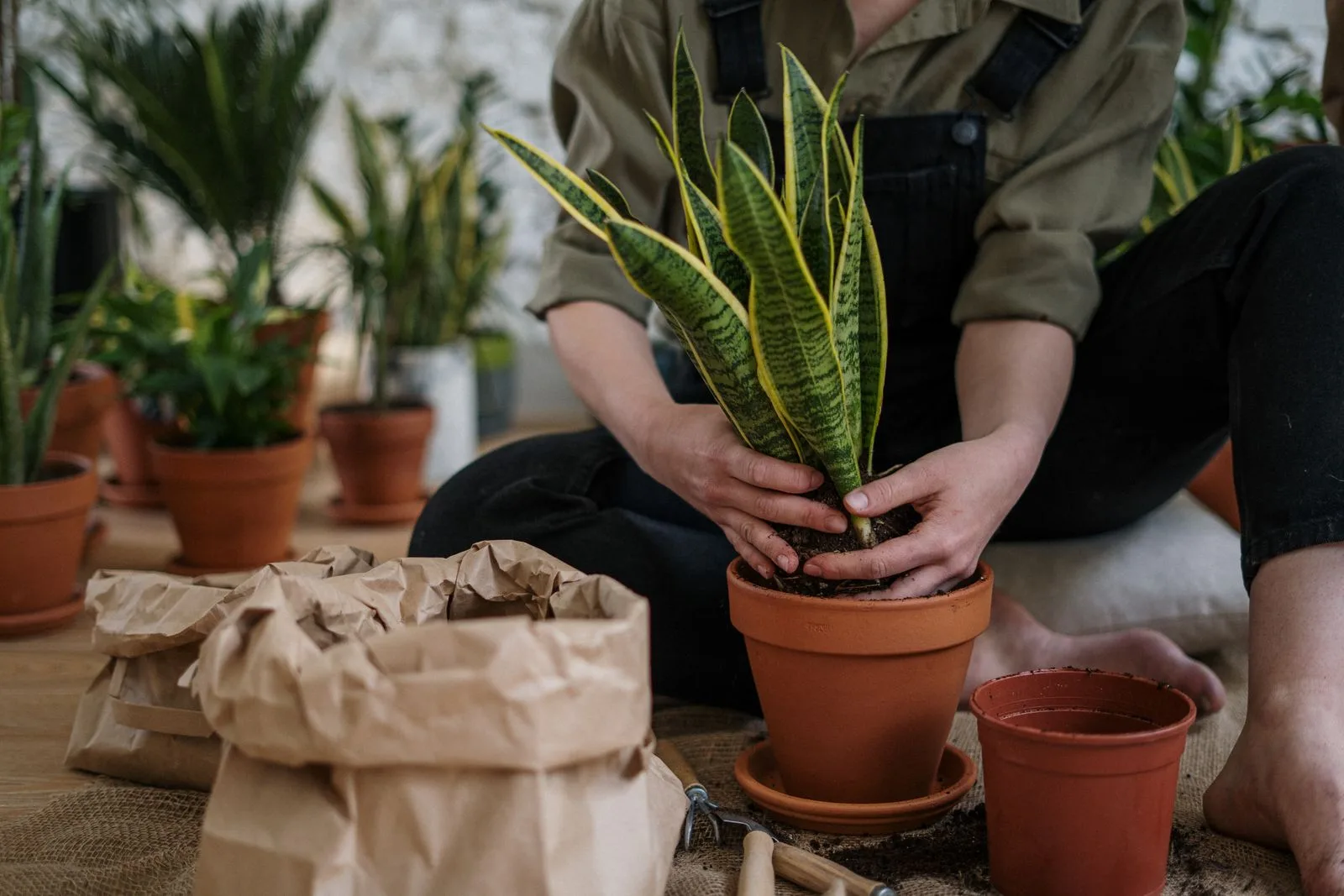
Some corners are too awkward for furniture — too narrow for a chair, too dark for reading — and a tall plant or a floor lamp fills them perfectly. A tall plant draws the eye upward and makes the room feel taller; a floor lamp throws warm light into a dark corner and makes the whole room feel bigger at night. Either one turns a dead corner into a deliberate feature.
Pick the plant or the lamp to suit the corner’s light: a tall snake plant or a floor lamp for a dark corner, a leafy plant for a bright one. One statement piece is enough — a plant and a lamp in the same corner crowd each other, and the corner stops looking intentional.

Tip 5 — Keep a corner basket for throws and toys
A corner basket is the simplest storage in a small living room: one basket, in one corner, for the things that get used every day and put away every night. Throws live in the basket by the sofa corner; toys live in the basket in the play corner. The basket is the home, and the rule is simple enough for a child to remember — when you are done, it goes back in the basket.
Choose a basket big enough for the job but small enough to fit the corner without spilling into the walkway, and keep it open-topped so putting things away takes one second. A lidded box on a high shelf will never get used; an open basket at floor level will get used every day.
Tip 6 — Keep the corner’s floor visible, and never dump things there
A corner with a visible floor looks like a place with a purpose; a corner with a pile on the floor looks like a place where things go to be forgotten. The rule is simple: nothing sits on a corner’s floor except the furniture that belongs there — the chair’s legs, the plant’s pot, the basket. Everything else — bags, boxes, things waiting to be put away — goes somewhere with a real home, not the corner.
This is the hardest rule to keep, because a corner is the easiest place to set something down “just for now”. Check the corners every evening as part of the room’s reset, and move anything that has drifted there back to its home. A corner that stays clear stays useful.
Tip 7 — Put a small side table in the corner, not the middle of the room
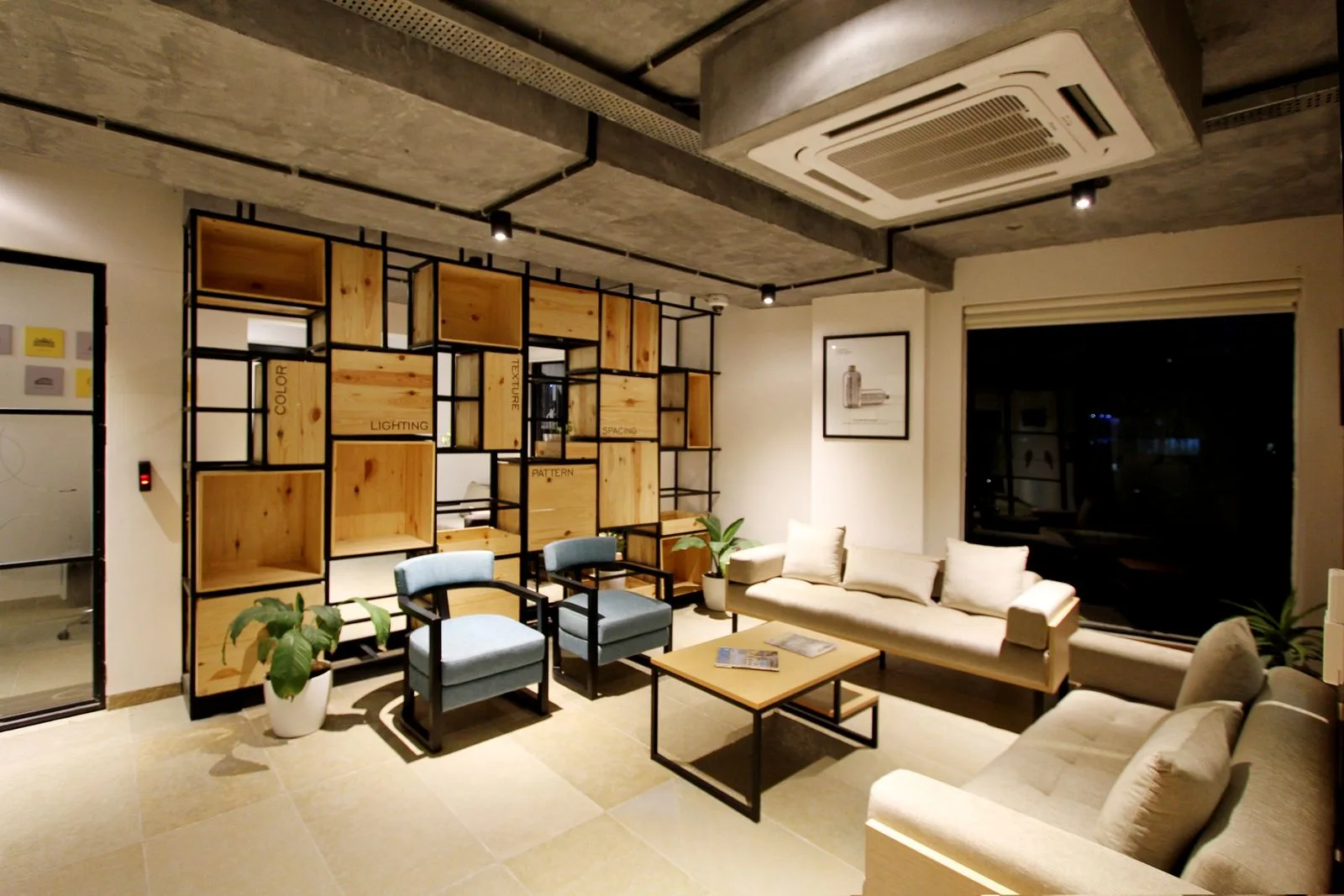
A side table in the middle of a small room is an obstacle; the same table in a corner is a help. Tuck a small side table into the corner beside the reading chair or the sofa’s end, and it holds a cup, a book and a pair of glasses without taking a step of walkway. The corner is where a side table belongs, because the corner is where nobody walks.
Choose a table that fits the corner’s shape — a round table softens a sharp corner, a small square table sits neatly into it — and keep its top to two or three items. A side table with a clear top is a pleasure to use; a side table piled high is just another surface that needs clearing.

Tip 8 — Angle the chair 45 degrees so the corner feels intentional
A chair pushed flat against a corner looks like it was put there because there was nowhere else for it. Angle the same chair 45 degrees into the room, and the corner suddenly feels intentional — the chair faces the room, the corner wraps behind it, and the space reads as a designed reading spot rather than a storage spot for a chair. One small turn changes the whole feel of the corner.
The angle also makes the chair easier to sit in: you can see the room, reach the side table, and put your feet up without facing a wall. Try the angle, live with it for a day, and adjust until the chair feels like it belongs — the right angle is the one that feels natural to sit in.
Tip 9 — Add one hook or rail in a hallway-adjacent corner for bags
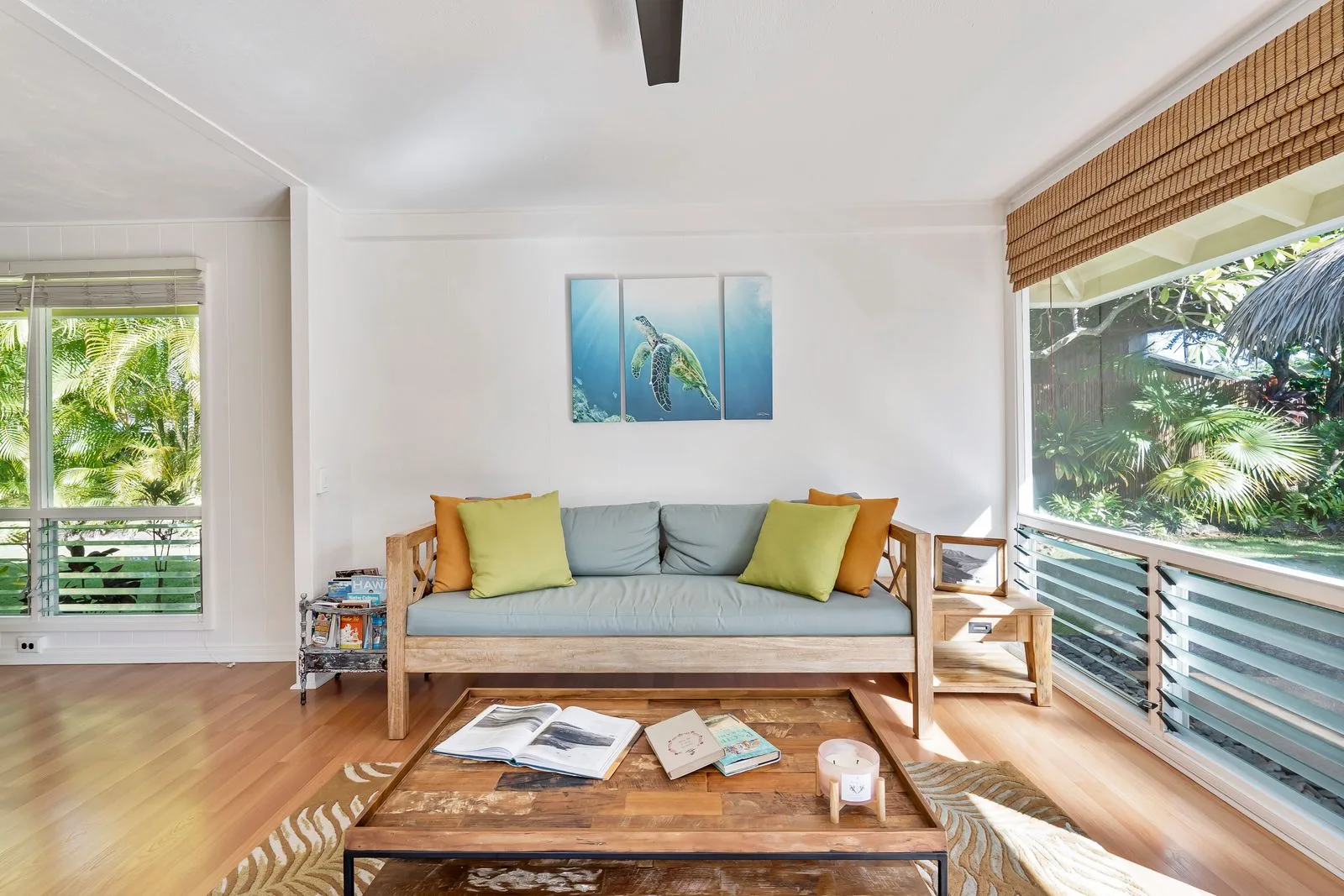
A corner near the hallway is the perfect place for one hook or rail for bags — the bags live there instead of on the sofa, the floor or the back of a chair. One hook per person, or one short rail with two or three hooks, holds the bags you use every day, and because it is in a corner, the bags never block the room. An adhesive hook or a freestanding coat stand does the job with no drilling.
Keep it to bags only, and keep the number of hooks small — a rail with six hooks invites six bags, and six bags in a corner is a pile, not storage. One hook per person, bags hung neatly, and the corner stays a useful spot instead of a coat mountain.
Tip 10 — Check the corners weekly, because clutter collects there first
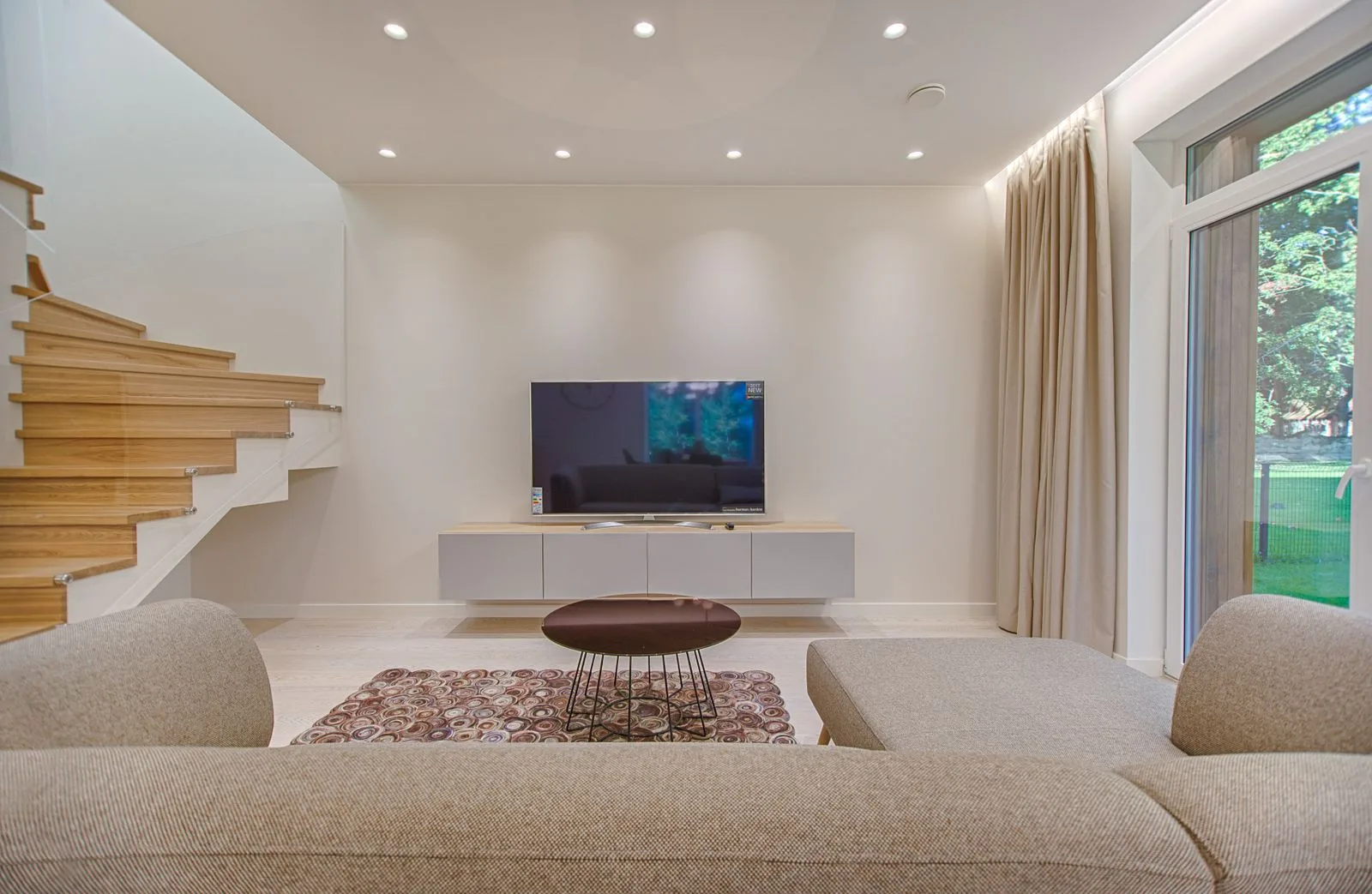
Corners collect clutter first because they are the easiest place to put something down and the hardest place to notice it. A weekly corner check — five minutes, once a week, same day — catches the drift before it becomes a pile: the bag that was left there, the box that was meant to go upstairs, the toy that never made it back to its basket. Move each thing to its home, and the corner is clear again.
Do the check at the same time as another weekly job, like the shoe reset or the plant watering, so it becomes part of a routine rather than a chore you have to remember. A corner that is checked weekly stays a corner with a job; a corner that is never checked becomes a corner with a pile.
Final Thoughts
Small living room corner ideas work when every corner has one job and the floor stays visible: a reading chair angled into the room, a freestanding shelf for books and plants, a tall plant or a floor lamp in the dead corner, and a basket for the things that get used daily. Check the corners weekly, because clutter collects there first — and a corner with a job is a corner that earns its space.
How do I use a dead corner in a small living room?
Give it one job: a reading spot with a chair and floor lamp, a tall plant, a freestanding corner shelf, or a basket for throws. One corner, one job — a corner with two jobs becomes a dumping ground. Decide the job before you buy anything for the corner, so every piece in it has a reason to be there.
What is the best furniture for a living room corner?
A slim armchair angled 45 degrees into the room, a small side table, and a floor lamp. Together they make a reading spot that feels intentional, and none of them needs drilling or fixing to the wall. Sit in the chair before you commit — a reading chair only earns its corner if you actually want to sit in it.
Should I put a shelf in a living room corner?
Yes — a freestanding corner shelf holds books and plants in a spot that would otherwise hold nothing. Keep the most-used items on the lowest shelf, leave space on the shelves, and choose a freestanding unit in a rental. Two or three shelves are enough; more than that starts to crowd the room instead of using the corner well.
How do I stop corners becoming clutter dumps?
Keep the corner’s floor visible and check the corner weekly. Nothing sits on a corner’s floor except the furniture that belongs there, and anything that drifts in gets moved back to its home the same evening. Check the corners every evening as part of the room’s reset, and the habit will keep the corners clear without a big tidy.
What angle should a corner chair face?
Angle it about 45 degrees into the room, so it faces the room instead of a wall. The corner wraps behind the chair, the chair feels intentional, and the side table stays within easy reach. Try the angle for a day and adjust until sitting feels natural — the right angle is the one that feels easy to sit in.
Can I use a corner for bags near the hallway?
Yes — one hook or a short rail in a hallway-adjacent corner holds daily bags out of the room. Keep it to one hook per person and bags only, so the corner stays useful instead of becoming a pile. An adhesive hook or a freestanding coat stand does the job with no drilling, and the bags never block the room.
Save this post on Pinterest for your next corner refresh, and read our earlier corner ideas next: cozy window corner ideas for small rooms that glow, small hallway corner ideas that use dead space well, small bedroom corner ideas for calm slow mornings, and small reading nook ideas that feel truly cozy.
More inspiration: IKEA’s small one-room home ideas and Apartment Therapy’s small bedroom design ideas.
Written from small-room living experience — every idea here is renter-friendly and needs no renovation.
Last updated 11 Nov 2026. Refresh in 3–6 months: check each corner still has one job, and clear anything that has drifted into the wrong corner.


2 Comments