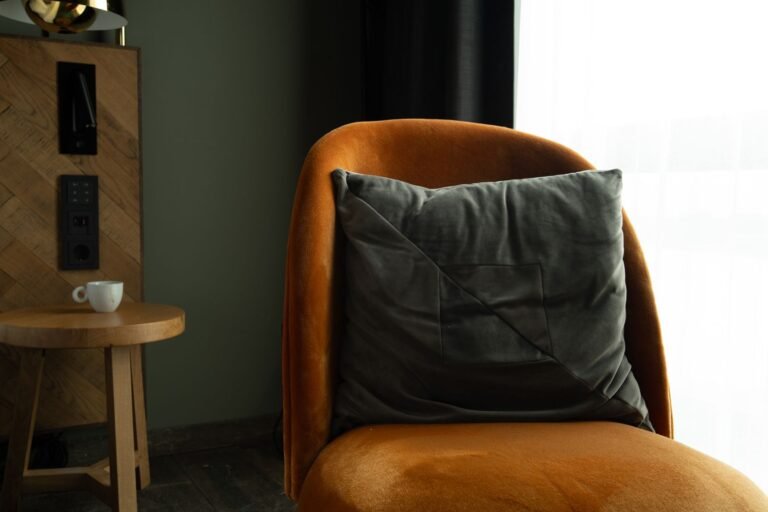
Small Bedroom Declutter Ideas That Stay Done
Small bedroom declutter ideas that stay done start with one simple truth: decluttering once is easy, and keeping it done is the system. A small bedroom has no spare corners for clutter to hide in — every extra item is on show, every pile is in the way, and a room that was tidy on Sunday is a mess again by Wednesday unless something stops it. The system is small and boring: one thing in, one thing out, a five-minute reset every night, and a home for every item. Boring is the point — a system you can keep is better than a blitz you cannot repeat. The ten ideas below build that system piece by piece, and none of them needs a new purchase to start. The only thing they need is a decision: the bedroom is finished, and anything new has to earn its place in it.

Credit: Pexels 10584317, İbrahim Doğan.
Key Takeaways
- One in, one out: nothing new enters the bedroom without something leaving it.
- A nightly five-minute reset — everything back to its home — is what keeps a declutter done.
- Every item has one home, surfaces hold three items maximum, and the maybe box has a 30-day deadline.
- Photograph the tidy room, so the reset has a target to aim for every night.
Tip 1 — One in, one out: nothing new enters without something leaving
Run a one-in-one-out rule: nothing new enters the bedroom without something leaving it. A new jumper means an old one goes to the charity bag; a new book means one leaves the shelf; a new cushion means one goes to the sofa. The rule is the whole system in one sentence, because a small bedroom only stays tidy when the number of things in it stays flat — and the number only stays flat when every arrival has a departure. Make the rule visible: keep a charity bag on top of the wardrobe, and the outgoing item goes straight into the bag the day the new one arrives. If you cannot name the item that leaves, the new item does not come in yet. One in, one out, and the bedroom never fills up again.

Credit: Pexels 10012728, Romy Matthijs.
Tip 2 — A nightly five-minute reset: everything back to its home
Do a nightly five-minute reset: everything back to its home, every night, before bed. Clothes off the chair and onto the hook or into the basket, the book back on the nightstand, the water glass to the kitchen, the shoes to their spot by the door. Five minutes, the same order every night, and the room is tidy when you wake up. Set a fixed time for the reset — right after brushing your teeth, or when the evening show ends — so it becomes part of the evening instead of a chore you have to remember. The reset is the single habit that keeps every other idea in this post working: without it, the one-in-one-out rule leaks, the surfaces fill up, and the room slides back. Five minutes a night, and the declutter stays done.

Credit: Pexels 7641480, MART PRODUCTION.
Tip 3 — Every item has one home, written down if needed
Give every item one home, and write the homes down if you need to. A phone charger lives in the nightstand drawer, not on the bed and not on the floor; the book lives on the nightstand, not on the pillow; the spare blanket lives on the shelf, not on the chair. When every item has one home, putting things away takes seconds, because there is nothing to decide — and when an item has no home, it is the item that drifts, piles up and becomes clutter. Write the list on a card inside the wardrobe door if the room is shared: charger in the drawer, book on the nightstand, blanket on the shelf, shoes by the door. The list is not a chore chart — it is the map that makes the five-minute reset possible. One home per item, written down, and nothing in the room is ever homeless.

Credit: Pexels 8581064, RDNE Stock project.
Tip 4 — The “maybe” box: 30 days, then it leaves
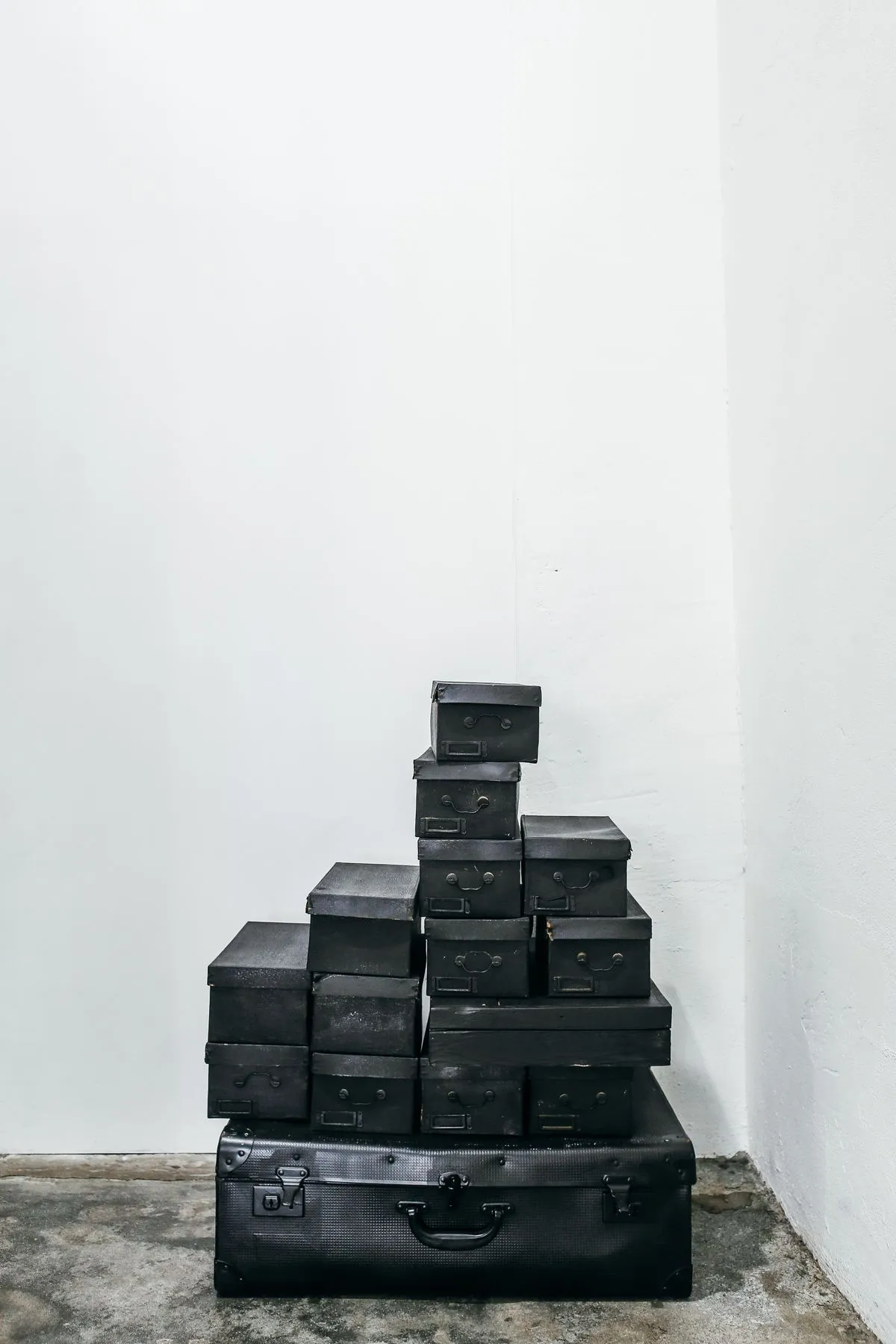
Keep a “maybe” box with a 30-day deadline: anything you cannot decide about goes in the box, and anything still in the box after 30 days leaves the bedroom. The maybe box is for the honest middle — the jumper you might wear again, the book you might re-read, the gift you feel guilty about — the things you cannot throw away today and should not keep forever. Put the box on top of the wardrobe or under the bed, write the date on the lid, and do not open it to browse: opening the box to check is how maybe becomes keep. When the 30 days are up, the box leaves without a second look: charity, recycling, or the bin, decided by what is in it. If you opened the box even once in those 30 days to use something, that item earns its home back; everything else goes. One box, one date, and the maybe pile never becomes a permanent pile.
Credit: Pexels 5531714, Rachel Claire.
Tip 5 — Keep surfaces to three items maximum: lamp, book, water
Keep every surface to three items maximum — lamp, book, water — and the room stays clear by design. A nightstand with a lamp, a book and a glass of water is a finished surface; a nightstand with a lamp, a book, a water glass, a charger, a watch, a hand cream and a pile of coins is a junk drawer with a lamp on it. Three items is the number a surface can hold without looking crowded, and it is the number you can clear in ten seconds when guests come. Apply the rule to every surface: the top of the wardrobe, the shelf, the desk, the windowsill. If a fourth item arrives, one of the three has to go — into its home, into the maybe box, or out of the room. Three items per surface, and the bedroom never looks cluttered, because clutter has nowhere to land.

Credit: Pexels 4440213, Taryn Elliott.
Tip 6 — A weekly ten-minute sweep: one drawer, one shelf, one corner
Do a weekly ten-minute sweep: one drawer, one shelf, one corner, every week, on the same day. Open one drawer and take out what does not belong; clear one shelf and put back what drifted; tidy one corner and move what collected there. Ten minutes, three small jobs, and the room never builds up the kind of mess that needs a whole Saturday to fix. Rotate the targets so every drawer, shelf and corner gets its turn once a month, and keep a small bag handy for the things that leave. The sweep is the maintenance behind the declutter: the one-in-one-out rule stops new clutter, the nightly reset stops daily clutter, and the weekly sweep catches whatever slipped through both. Ten minutes a week, and the room never slides back.

Credit: Pexels 5705490, Anastasia Shuraeva.
Tip 7 — Clothes on the chair mean the hook is missing: add the hook
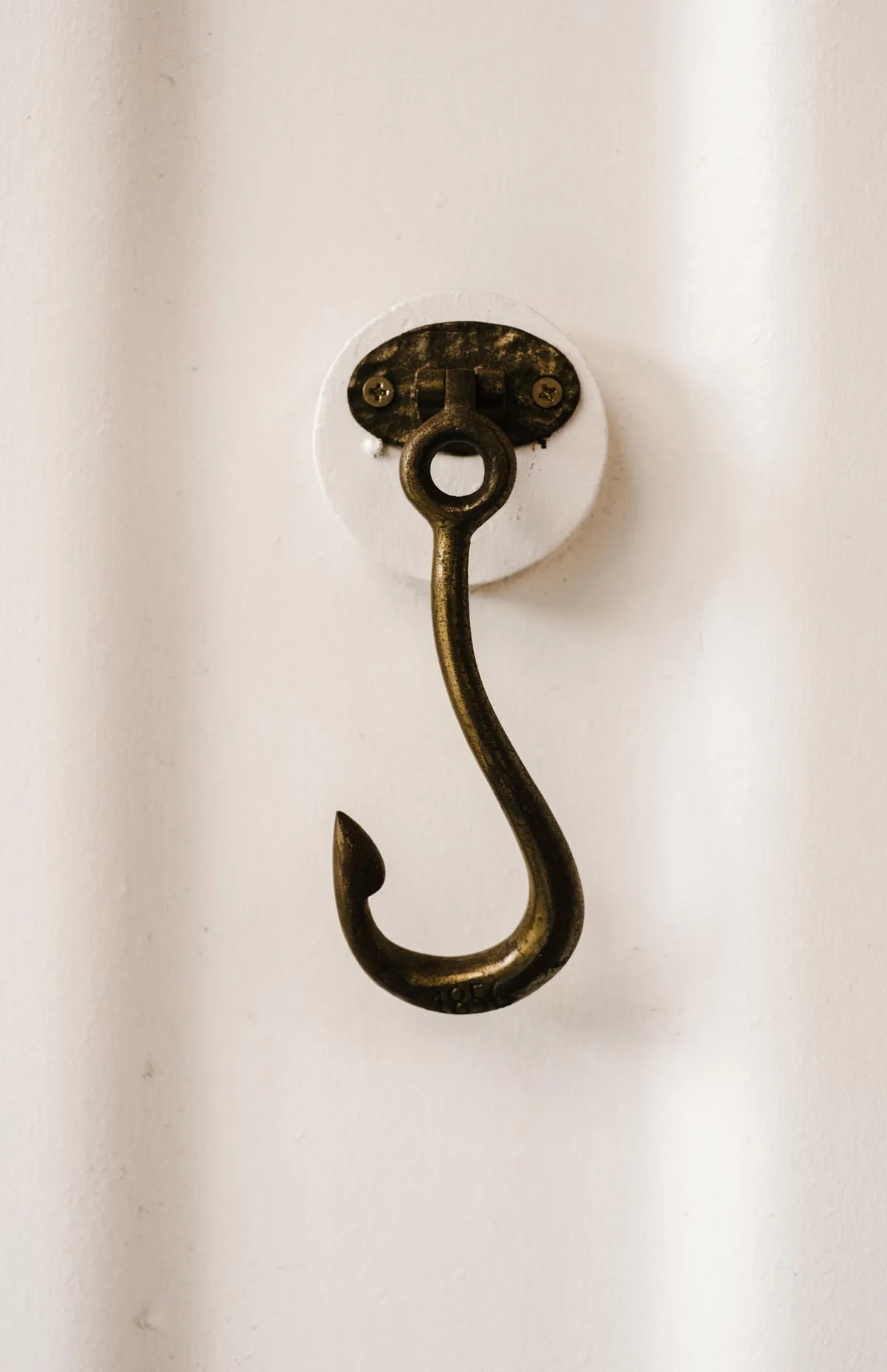
If clothes end up on the chair every night, the hook is missing — so add the hook. A chair covered in clothes is not a laziness problem, it is a storage problem: the clothes have nowhere to go between the wash and the wardrobe, so they land on the nearest flat surface. One hook on the wall by the door, or a small rail on the back of the door, gives tomorrow’s outfit a home, and the chair stays a chair. Hang tomorrow’s clothes on the hook during the nightly reset, and the morning starts with the outfit already chosen. The hook costs almost nothing and saves the chair, the floor and the morning. Clothes on the chair? Add the hook, and the chair goes back to being a chair.
Credit: Pexels 8113042, Rachel Claire.
Tip 8 — Bin and laundry basket in one fixed spot, never the floor
Put the bin and the laundry basket in one fixed spot, and never leave either of them on the floor in the middle of the room. A small bin beside the nightstand or behind the door, and a laundry basket in the same corner every day, so dirty clothes have one place to go and the floor stays clear for walking. When the basket has no fixed spot, laundry lands on the chair, on the bed and on the floor — and a bedroom with laundry on the floor is a bedroom that feels cluttered no matter how tidy everything else is. Empty the bin when you do the weekly sweep, and take the laundry basket to the machine when it is full, not when it overflows. One fixed spot, both items, always in the same place, and the floor stays clear.

Credit: Pexels 18063446, Jessica Lewis.
Tip 9 — Photograph the tidy room so the reset has a target
Photograph the tidy room, so the nightly reset has a target to aim for. Take one photo from the doorway, in daylight, on the day the room is at its best — bed made, surfaces at three items, floor clear, chair empty — and keep it on your phone. Every night, the reset is simple: make the room look like the photo. A target you can see beats a target you have to remember, and on a tired evening the photo does the deciding for you. Retake the photo every season, so the target stays current as the room changes. If the room drifts for a week, the photo is also the fastest way back: one look, and you can see exactly what is out of place. One photo, one target, and the reset never has to guess what tidy looks like.

Credit: Pexels 19836807, Lisa Anna.
Tip 10 — If it has not been used in a year, it does not live in a small bedroom
Apply the one-year rule: if something has not been used in a year, it does not live in a small bedroom. A jumper unworn for a year, a book unread for a year, a gadget unused for a year — in a big house these things can wait in a spare room, but in a small bedroom they take the place of something you use every day. Run the rule once a year, in the same month every time, and pair it with the under-bed storage check: what stays should fit in the room’s real storage, including the space under the bed — a platform bed with drawers or a few flat boxes under the frame hold the seasonal things, so the wardrobe holds only what this season needs. One year, one honest look, and the bedroom keeps only what earns its place.

Credit: Pexels 8454347, Ron Lach.
FAQ
How do I declutter a small bedroom and keep it done?
Build a system, not a blitz: one in, one out for everything new, a nightly five-minute reset, one home per item, and a weekly ten-minute sweep. A small bedroom only stays tidy when the number of things in it stays flat and every item has a place to return to.
What is the one-in-one-out rule?
Nothing new enters the bedroom without something leaving it. A new jumper means an old one goes to the charity bag; a new book means one leaves the shelf. Keep a charity bag on top of the wardrobe, and the outgoing item goes in the day the new one arrives.
What is a maybe box, and how long do things stay in it?
A maybe box holds the things you cannot decide about — the jumper you might wear again, the gift you feel guilty about. Write the date on the lid: anything still in the box after 30 days leaves the bedroom, and anything you used in those 30 days earns its home back.
How many items should be on a bedroom nightstand?
Three maximum: lamp, book and water is the finished set. A fourth item means one of the three has to go — into its home, into the maybe box, or out of the room. Three items is the number a surface can hold without looking crowded.
How do I stop clothes piling on the bedroom chair?
Add the missing hook. Clothes on the chair mean the clothes have nowhere to go between the wash and the wardrobe, so one hook on the wall or an over-door hook gives tomorrow’s outfit a home — and the chair goes back to being a chair.
What should I do with things I have not used in a year?
Let them go. In a small bedroom there is no spare room for a jumper unworn for a year, and the space it takes is space your everyday things need. Run the one-year rule once a year, and keep seasonal extras in under-bed storage so the wardrobe holds only this season.
Final Thoughts
Small bedroom declutter ideas that stay done work when the system is small enough to keep: one in, one out; a nightly five-minute reset; one home for every item; a maybe box with a 30-day deadline; three items per surface; a weekly ten-minute sweep; a hook where the clothes pile up; a bin and a basket in one fixed spot; a photograph of the tidy room as the target; and a one-year rule for anything unused. Decluttering once is easy — a system you can keep is what makes it stay done, and a small bedroom that stays done is a room you can actually relax in.
Save this post on Pinterest for your next reset, and read our earlier storage ideas next: Small Bedroom Storage Ideas That Free Up Space; Under Bed Storage Ideas For Small Rooms That Work; Small Bedroom Wardrobe Ideas With No Big Closet; Small Space Storage Systems That Stay Tidy Daily.
More inspiration: Storage & Organization; How to Make a Small Bedroom Feel Bigger.
Written from small-room living experience — every idea here is practical for a tiny bedroom, with a no-drill option wherever drilling is a problem.
Last updated 18 Nov 2026.
Refresh in 3–6 months: re-check the maybe box and the one-year rule, and photograph the tidy room again as the new target.