Small Plant Corner Ideas That Bring Nature Inside
Small plant corner ideas that bring nature inside start with restraint: one good plant in the right place does more for a small room than ten small pots scattered across every surface. Green softens hard edges, adds life to a room that is mostly furniture, and gives your eye somewhere gentle to rest — but a small room has no space for a jungle, so every plant has to earn its place. The secret is choosing plants for the corner’s actual light, not the light you wish it had, and arranging them in layers so the green rises instead of spreading.
The ideas below build a plant corner the layered way: one tall plant on the floor to anchor it, a stand to lift the small pots up, a trailing plant from a high shelf, and a mirror behind it all to double the green. Every idea fits a small room, because none of them needs a bigger corner — just the right plants, in the right places, with a routine you can actually keep.

Key Takeaways
- Start with one tall plant in the corner — it anchors the whole display and costs almost no floor space.
- Build in three heights: floor plant, a plant on a stand, and a trailing plant from a shelf.
- Choose plants for the corner’s real light, not the light you wish it had — snake plants and ZZ plants forgive dark corners.
- Group plants in odd numbers and mix leaf shapes, not just leaf colours, for a corner that looks designed.
Tip 1 — Start with one tall plant in the corner
One tall plant in the corner does more than five small pots ever will: it fills the empty vertical space, softens the hard angle where two walls meet, and gives the whole corner a focal point. A snake plant, a parlour palm or a young rubber plant all work — upright, architectural, and happy in a single pot on the floor.
Choose a plant that fits the corner’s light before you fall in love with its looks: a snake plant tolerates low light and neglect, while a fiddle leaf fig wants bright light and sulks in a dark corner. Buy the tall plant first, live with it for a fortnight, and only then decide what else the corner needs — often, the answer is very little.
Tip 2 — Use a plant stand to lift small pots up
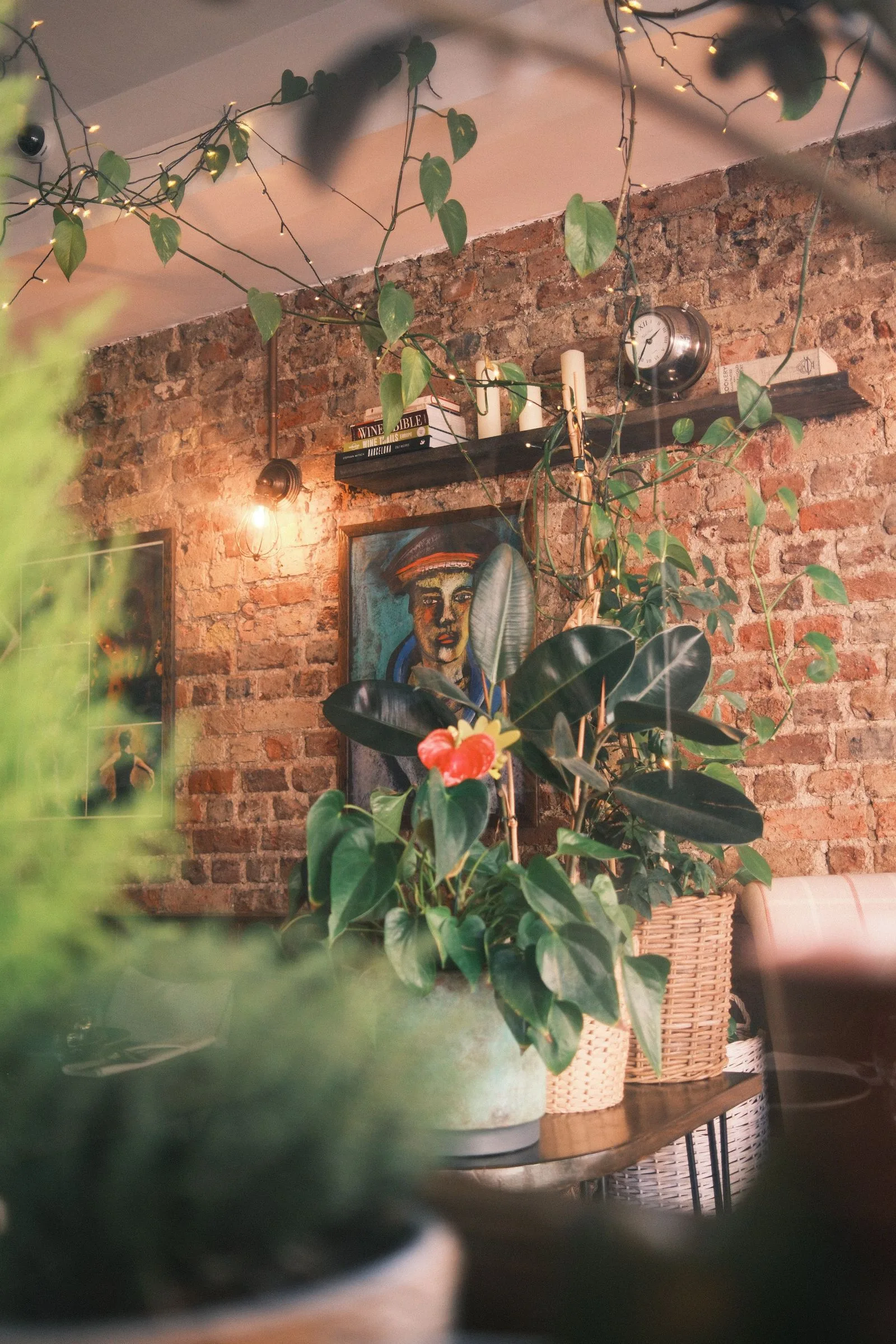
Small pots on the floor disappear behind furniture and get kicked over in the dark. A plant stand lifts them to where you can actually see them — waist height, eye level, or just off the floor — and it turns one small plant into a visible part of the room. A simple wooden stool, a slim metal stand or a stack of two sturdy books all do the job.
Keep the stand stable and the pot small enough that the whole thing cannot tip: a top-heavy plant on a wobbly stand is a spill waiting to happen. One plant per stand is the rule — two small pots on one stand crowd each other, and neither gets the light or the air it needs.

Tip 3 — Trail a pothos from a high shelf
A trailing pothos on a high shelf is one of the prettiest sights in a small room — its vines spill down the wall and soften the whole corner, without costing a centimetre of floor or surface space. Pothos grows fast, forgives missed watering, and looks good with long trails, which makes it the ideal plant for a shelf you cannot easily reach every day.
Pick one high shelf, ideally the one nearest the window, and let a single trailing plant own it. Trim the vines when they reach the shelf below, and use the cuttings to start new plants in water — free plants, and a shelf that stays intentional instead of overgrown.

Tip 4 — Group plants in odd numbers
Three plants look designed; four plants look like a collection that got out of hand. Odd numbers — one, three, five — feel natural to the eye, because the brain reads them as a group with a centre instead of a row of identical things. A tall plant, a medium plant on a stand, and a small trailing plant is a classic trio, and it works in almost any corner.
Vary the heights as well as the numbers: a floor plant, a waist-height plant and a shelf plant read as one arrangement, while three plants all at floor level read as a queue. If you already have an even number, move one plant to another room — the corner will look better with three than it ever did with four.

Tip 5 — A small watering can that lives in the corner
Plants die more often from irregular watering than from anything else — drowned one week, forgotten the next. A small watering can that lives in the corner itself, on the stand or beside the tall plant, makes watering part of the corner rather than a chore you have to prepare for. See the can, check the soil, water if it is dry.
Keep the can small — a litre is plenty for a corner of three plants — and fill it when you make your morning coffee, so it is always ready. Check the soil with a finger before you water: if the top few centimetres are dry, water; if they are damp, wait. The can’s job is to remind you; the finger’s job is to decide.

Tip 6 — Mix leaf shapes, not just leaf colours
A corner full of plants with the same leaf shape looks flat, however many shades of green it has. Mix the shapes instead: a spiky snake plant beside a round-leaf peperomia, a feathery fern beside a broad-leaf rubber plant. Different shapes catch the light differently, and the corner gains depth and texture that colour alone can never give it.
Think in three shapes — upright, round, trailing — and pick one plant for each. A snake plant for upright, a peperomia for round, a pothos for trailing, and the corner is complete. The pots can all match, or all be different; the leaves are doing the design work, not the containers.

Tip 7 — Put the sun-lovers nearest the window
Not every plant wants the same light, and a corner is rarely lit evenly: the side nearest the window gets real sun, the side against the back wall gets almost none. Put the sun-lovers — succulents, rubber plants, most flowering plants — nearest the window, and the shade-tolerators — snake plants, ZZ plants, pothos — further back. Each plant gets the light it actually needs, and none of them slowly fades in the wrong spot.
Watch the corner through one full day before you place anything: note where the sun actually falls at morning, noon and evening, not where you assume it falls. A plant that gets two hours of direct morning sun and bright indirect light the rest of the day is in the best spot in the corner — save it for the plant that needs it most.
Tip 8 — A mirror behind the plants doubles the green
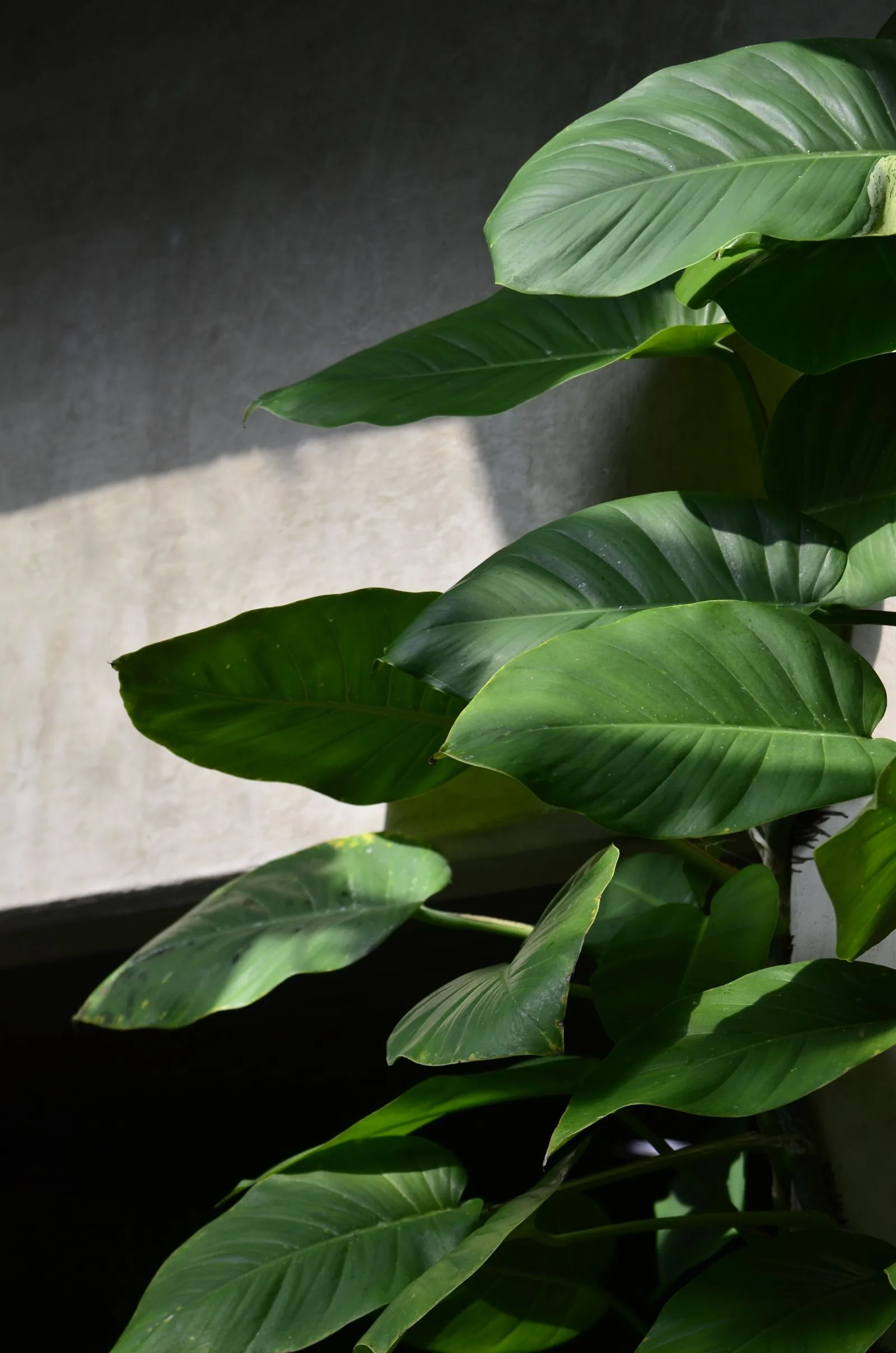
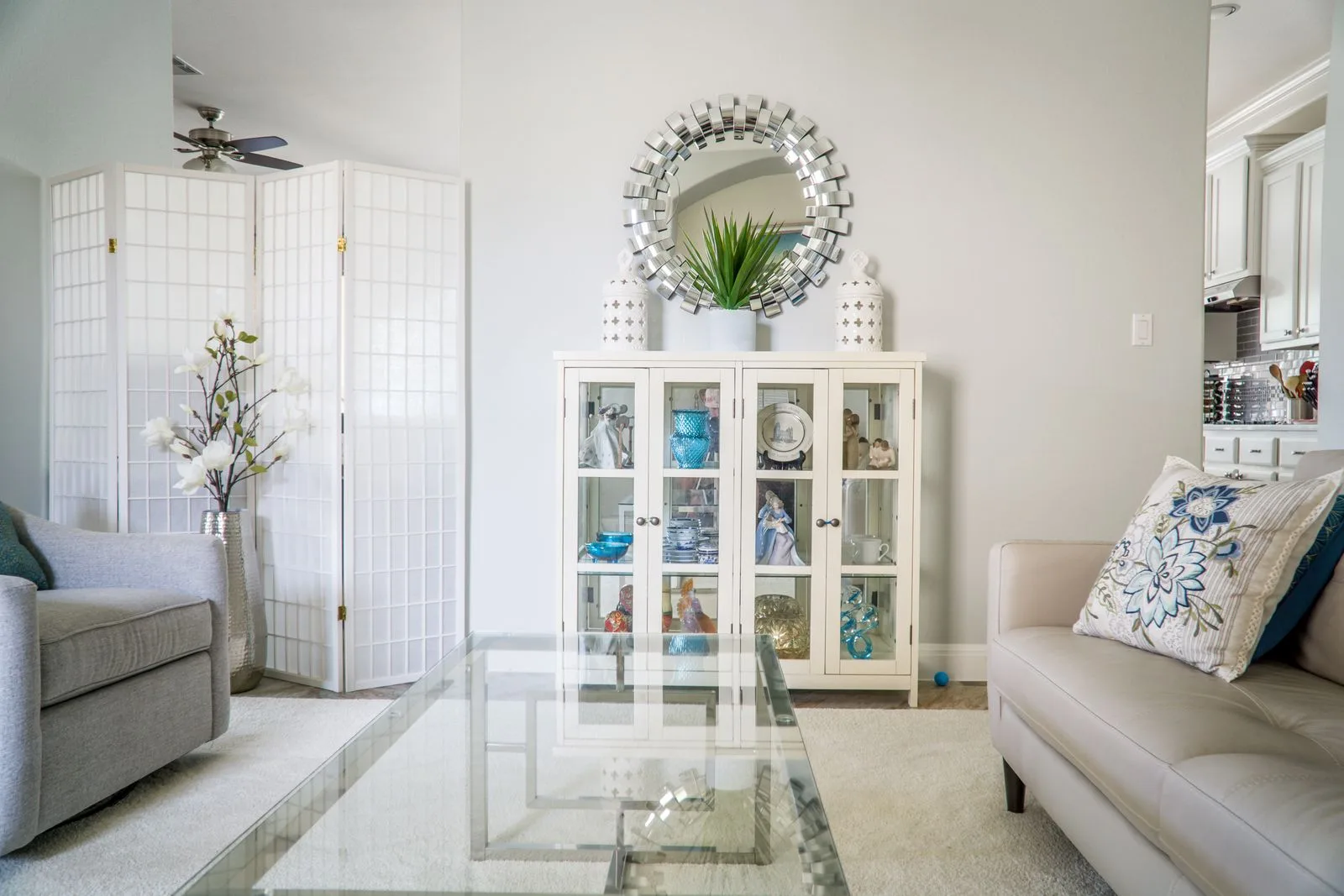
A plain mirror hung on the wall behind the plants bounces light into the corner and reflects the leaves back at you — the green doubles, the corner looks deeper, and the whole display feels twice as full without a single extra plant. It is the cheapest way to make a small plant corner look lush.
Choose a mirror as large as the space allows, and hang it at the height of the plants, not above them — the reflection should show leaves, not ceiling. A simple frame in the wall colour blends in; a lean-to mirror on the floor works too, if wall space is short. Keep the glass clean, because a dusty mirror reflects dull leaves.
Tip 9 — Keep a tiny stool for repotting jobs
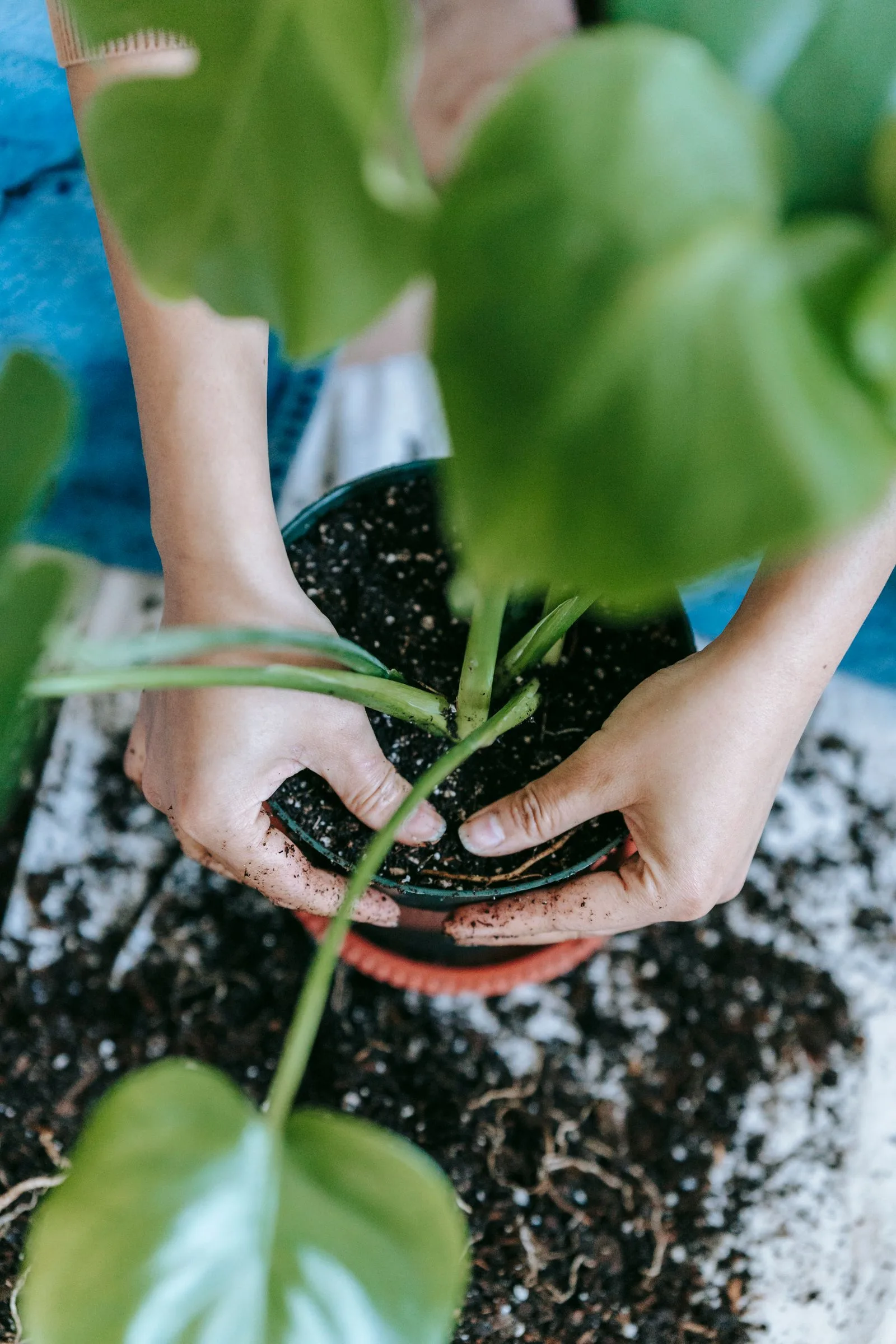
Repotting is the messiest plant job there is, and doing it on the floor means soil everywhere and a sore back. A tiny stool in the corner — the same one that holds a plant, or a second small one tucked behind the tall plant — gives you a work surface at a comfortable height: pot on the stool, fresh compost beside it, old soil in a bag underneath.
Keep a small bag of compost and a spare pot or two on the lowest shelf or in the basket under the stand, so everything for the job is in the corner already. Repot in spring, when the plant is starting to grow again, and choose a pot only a few centimetres wider than the old one — a pot too big holds too much wet soil and rots the roots.
Tip 10 — Rotate the pots so every side gets light
A plant that never moves grows toward the window and leans, one side lush and the other bare. A quarter-turn of every pot once a month keeps the growth even: every side gets its turn in the light, the plant stays symmetrical, and the corner keeps looking balanced instead of lopsided.
Do it on the same day you water — the routine is already there, so the turn takes five seconds and no extra remembering. While you turn the pot, wipe the leaves with a damp cloth and check underneath for pests: dusty leaves cannot catch light properly, and a monthly wipe keeps the plants glossy and healthy.

Final Thoughts
Small plant corner ideas that bring nature inside work when the green is layered, not scattered: one tall plant on the floor, a stand to lift the small pots, a trailing pothos from a high shelf, and a mirror behind it all to double the green. Choose plants for the corner’s real light, group them in odd numbers, mix leaf shapes, and rotate the pots monthly. Nature comes inside one corner at a time — and three healthy plants beat eleven struggling ones every time.
How many plants should a small plant corner have?
Three is the sweet spot for most corners — one tall plant on the floor, one medium plant on a stand, and one trailing plant from a shelf. Odd numbers look designed, and three plants are easy to water and keep tidy. More than five turns a small corner into a jungle that is hard to look after.
What is the best plant for a dark corner?
A snake plant or a ZZ plant — both tolerate low light, need little water, and keep their colour without direct sun. For a genuinely dark corner, a cast iron plant is the toughest choice of all. Avoid succulents and cacti in dark corners; they stretch toward the light and fade.
How do I arrange plants in a corner?
Build in three heights: a tall plant on the floor, a medium plant on a stand, and a trailing plant from a high shelf. Group them in odd numbers, mix leaf shapes, and put the sun-lovers nearest the window. Leave a little empty space — a corner with room to breathe looks calmer than one crammed full.
Do I need a grow light for a plant corner?
Only if the corner gets almost no natural light at all. A small LED grow light on a timer, 12 to 14 hours a day, supports most foliage plants. A mirror behind the plants helps too, but it bounces existing light — it cannot replace light that is not there.
How often should I water corner plants?
Check them once a week on the same day, and water only if the top few centimetres of soil are dry. Most indoor plants prefer being slightly dry to soaking wet — snake plants and ZZ plants can go three to four weeks between waterings in winter. Always use pots with drainage holes and saucers.
Are plant corners safe with pets?
It depends on the plant. Snake plants and pothos are toxic to cats and dogs if eaten, so keep them out of reach or choose pet-safe alternatives like spider plants, parlour palms and baby rubber plants. Check each species before you buy, and keep trailing vines above chewing height.
Save this post on Pinterest for your next plant refresh, and read our earlier plant and corner ideas next: Small Living Room Plant Ideas That Add Real Calm, Small Bedroom Plant Ideas That Keep The Air Fresh, Cozy Window Corner Ideas For Small Rooms That Glow, and Small Living Room Corner Ideas That Waste No Space.
Further reading: Plant Corner Ideas: 10 Indoor Layouts That Work and Creating a Calm Plant Corner in a Small Flat.