
Small Living Room Plant Ideas That Add Real Calm
Small living room plant ideas that add real calm start with restraint: one good plant in the right place does more for a small room than ten small pots scattered across every surface. Green softens hard edges, cleans the air a little, and makes a room feel alive — but a small living room has no space for a jungle, so every plant has to earn its place. The ideas below add green where it counts, in plants that survive real life, not just a photo shoot.
The secret is choosing plants for your room’s actual light, not the light you wish it had, and giving them a routine you can keep. A snake plant in a dim corner will thrive for years; a sun-loving plant in the same corner will fade in weeks. Pick the right plant, put it in the right spot, and the calm takes care of itself.

Key Takeaways
- One tall plant in a dead corner does more than ten small pots spread across every surface.
- Match the plant to your room’s real light — low-light picks like snake plant, pothos and ZZ thrive in dim rooms.
- Hang plants or trail them from one high shelf to keep surfaces and walkways clear.
- One watering day a week, pots with saucers, and a monthly leaf wipe keep plants looking cared for.
Tip 1 — Put one tall plant in a dead corner instead of ten small pots
Every small living room has a dead corner — the one nobody sits in, where the sofa does not reach and nothing lives. One tall plant in that corner fills it completely, draws the eye upward, and makes the room feel taller and more finished. Ten small pots spread across the room, by contrast, read as clutter: each one needs watering, each one takes surface space, and none of them makes a statement.
Choose a plant that grows upright — a fiddle-leaf fig if the corner gets light, a tall snake plant or a kentia palm if it does not — and give it a pot that suits the room. One plant, one pot, one corner: the simplest plant idea in this post, and the one that changes the room most.
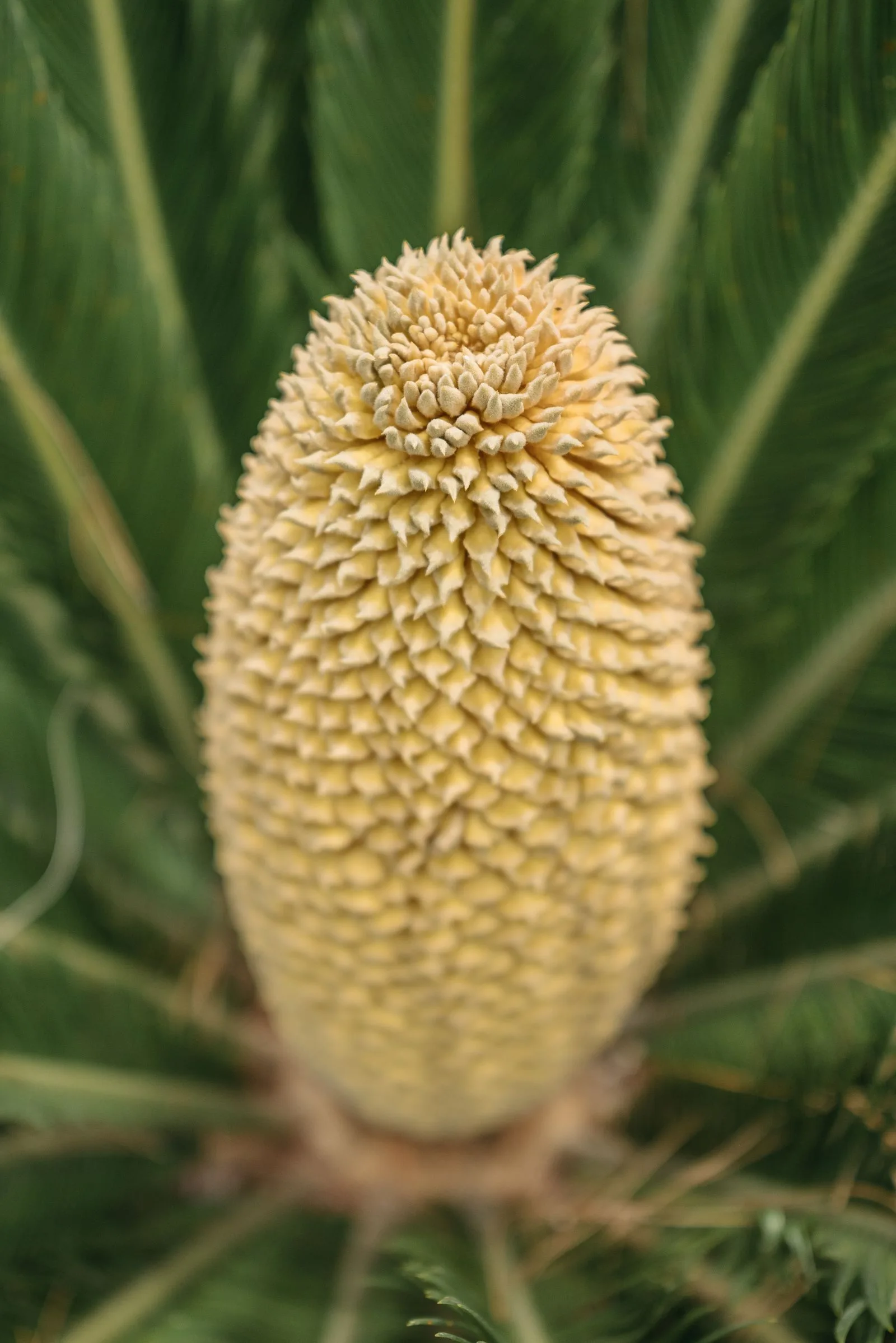
Tip 2 — Hang planters to free up every surface
In a small living room, surfaces are precious — the coffee table, the side table, the windowsill — and every plant on a surface is a book or a cup that has nowhere to go. Hanging planters solve that by putting the green in the air, where nothing else needs to be. Two planters beside a window, or one over a side table, add life without costing a centimetre of surface.
Hang them where they get light but never block a walkway or hang over a seat where they might drip. Trailing plants suit hanging planters best — their leaves spill down and soften the room — and a planter with a saucer or a liner stops water dripping onto the floor below.

Tip 3 — Trail plants from one high shelf, not every shelf
A trailing plant on a high shelf is one of the prettiest sights in a small living room — its leaves spill down the wall and soften the whole corner. The mistake is putting a trailing plant on every shelf, which turns a calm room into a tangle. Pick one high shelf, ideally the one nearest the window, and let a single trailing plant own it.
A pothos or a trailing philodendron suits this spot: both grow fast, forgive missed watering, and look good with long trails. Trim the trails when they reach the shelf below, and use the cuttings to start new plants in water — free plants, and a shelf that stays intentional instead of overgrown.

Tip 4 — Choose low-light plants for north-facing rooms
A north-facing living room gets soft, indirect light all day, which suits some plants beautifully and kills others slowly. The safe picks are the ones that evolved for shade: snake plants, pothos, ZZ plants and peace lilies all thrive in low light, need little water, and keep their colour without direct sun. These are the plants that survive real life — missed watering, dark winters, and rooms that never see the sun.
Avoid sun-lovers in a north-facing room: succulents, cacti and most flowering plants will stretch toward the window, grow leggy, and fade. If you love a sun-loving plant, keep it on the windowsill itself, where it gets the brightest light the room has — and accept that it may never look its best.

Tip 5 — Keep one watering day per week, on the same day
Plants die more often from irregular watering than from anything else — drowned one week, forgotten the next. One watering day a week, on the same day, fixes that: every plant gets checked, watered if its soil is dry, and left alone if it is not. The routine matters more than the amount, because most houseplants would rather be slightly dry than soaking wet.
Check the soil with a finger before you water — if the top few centimetres are dry, water; if they are damp, wait. Write the watering day on the calendar or set a phone reminder, and the plants will get the steady care they need without you having to think about them.

Tip 6 — Always use pots with saucers, so no water marks the wood
Water marks on wooden furniture and floors are the quiet cost of keeping plants indoors, and a saucer is the cheap fix. Every pot indoors should sit in a saucer or a cache pot — a decorative outer pot with no drainage hole — so water never reaches the wood below. Empty the saucer after watering, so the plant is never sitting in a puddle, which rots roots.
Choose saucers that match the pots, or use a plain tray under a group of plants — a tray turns several pots into one tidy arrangement and catches every drip. In a rental, this matters twice as much: a water ring on a landlord’s wooden floor is a mark that does not come out easily.
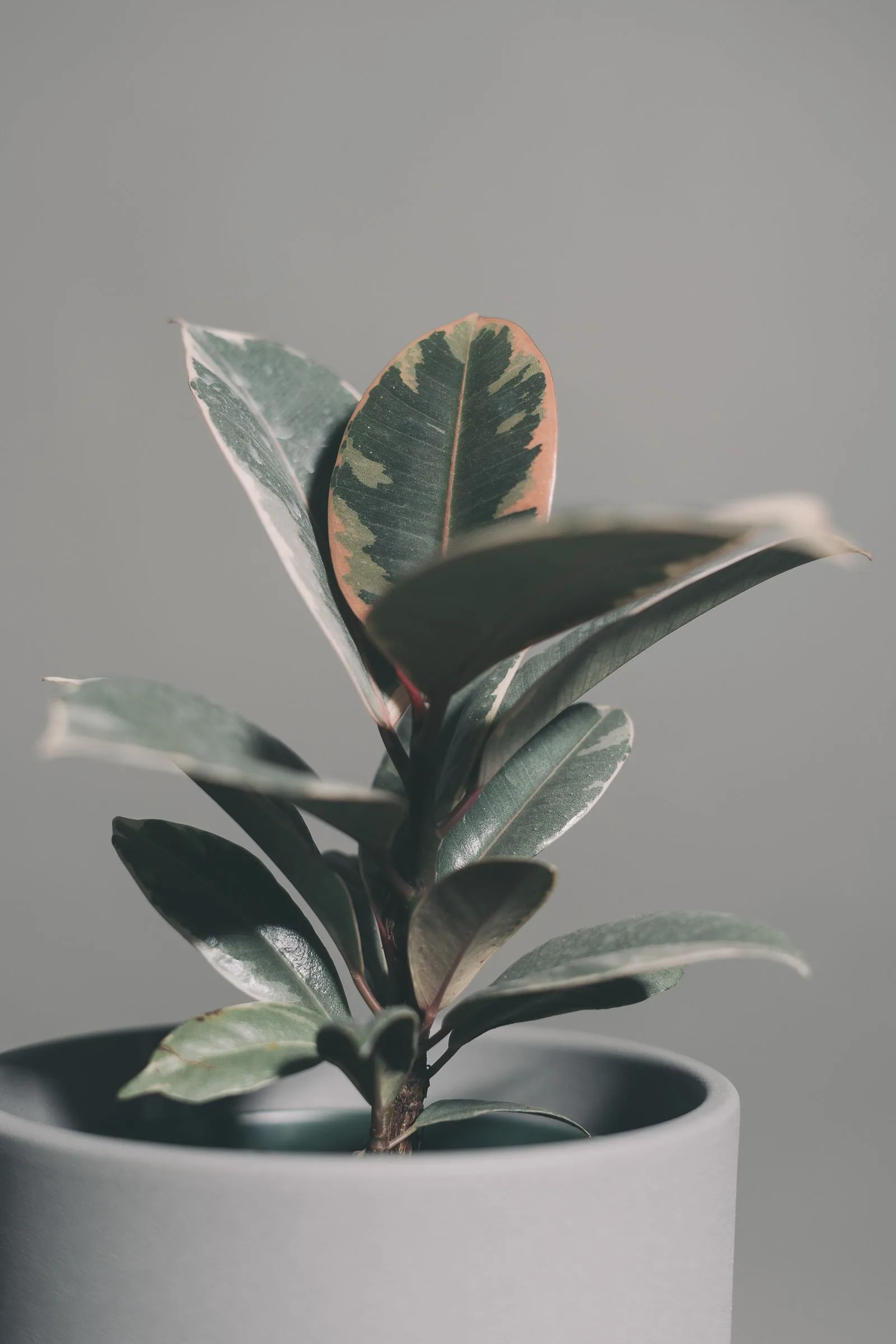
Tip 7 — Group plants by light need so none is forgotten
Plants with the same light needs belong together, because they get the same care at the same time. Put the low-light plants in the dim corner, the bright-light plants by the window, and water each group on its own rhythm — the low-light group needs less water, the bright group a little more. Grouping also looks better: a cluster of plants reads as a deliberate arrangement, while the same plants scattered around the room read as clutter.
Keep a small note of each group’s needs — a card tucked behind the pots, or a note on your phone — so a guest watering your plants while you are away knows what to do. Groups make plant care simple enough that anyone can keep it up.
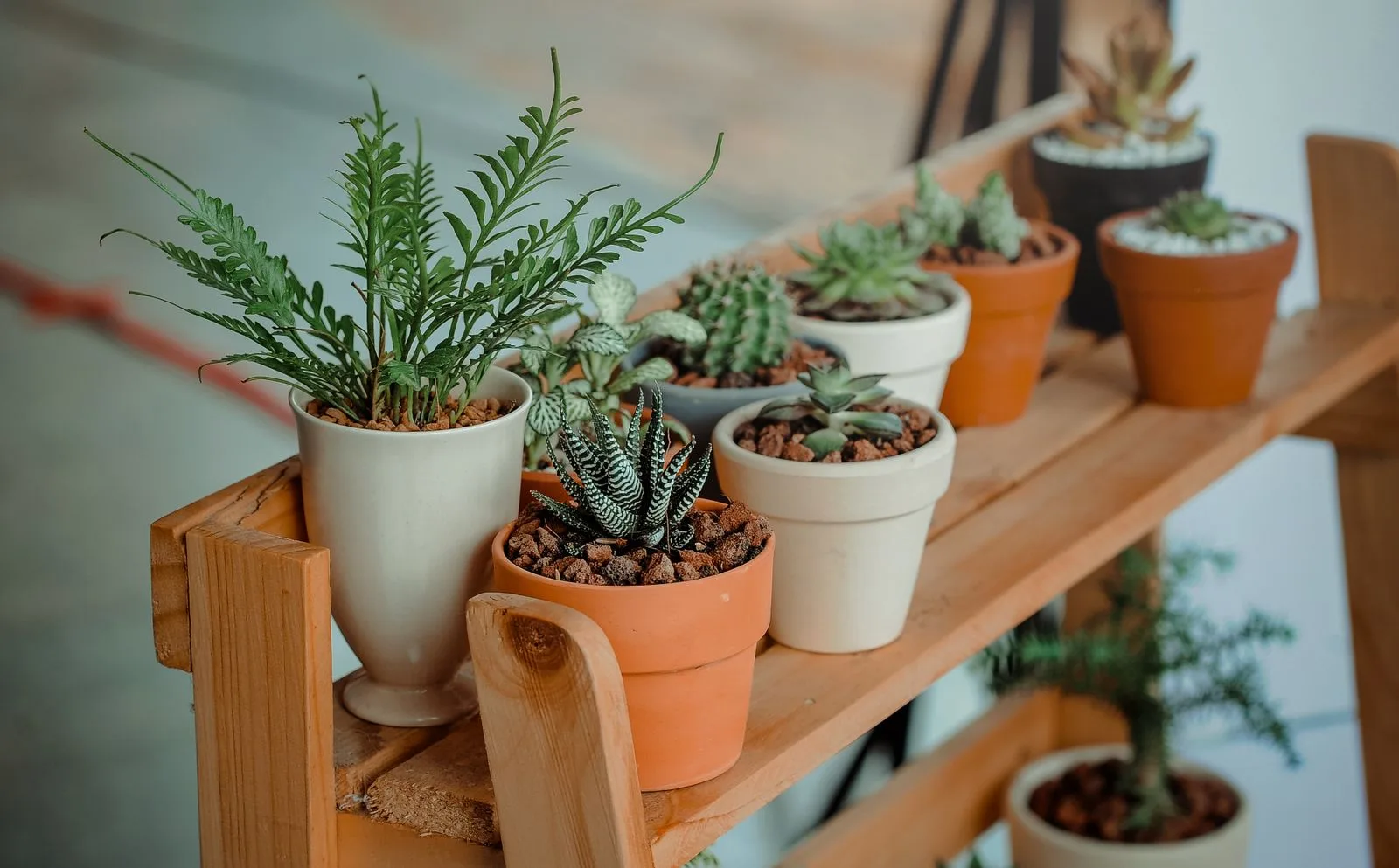
Tip 8 — Keep plants off walkways and seat edges
A plant in a walkway gets knocked, brushed and broken — and it trips people, too. Keep plants out of the paths people walk every day, and away from the edges of seats where an elbow or a bag will catch them. The best spots are corners, shelves, windowsills and the far end of a side table — places where the plant is visible but never in the way.
If a plant keeps getting knocked, it is in the wrong spot, not the wrong plant. Move it somewhere it can be seen but not touched, and it will grow better for it — plants bruise easily, and a bruised leaf never heals.

Tip 9 — Choose pet-safe plants if animals share the room
Some of the most popular houseplants are poisonous to cats and dogs — lilies, pothos, ZZ plants and snake plants are all on the list, and a curious pet that chews a leaf can get very ill. If animals share your living room, choose pet-safe plants instead: spider plants, calatheas, Boston ferns and most palms are safe, and they look just as good in a small room.
Check every new plant against a pet-safety list before it comes home, and keep any plant you are unsure about out of reach — on a high shelf, in a hanging planter — until you have checked. A safe plant is a plant you never have to worry about, which is exactly what a calm living room needs.

Tip 10 — Prune and wipe leaves monthly so plants look cared for
A plant with dusty leaves and dead stems looks neglected, even if it is healthy — and in a small room, you see every leaf up close. Once a month, wipe the leaves with a damp cloth, snip off any dead or yellow leaves, and trim any stems that have grown leggy. The whole job takes ten minutes, and the plants look cared for rather than cluttered.
Wiping the leaves also helps the plant: clean leaves catch more light, so the plant grows better. Use the monthly check to look for pests under the leaves and to turn the pot a quarter-turn, so the plant grows evenly instead of leaning toward the window.

Final Thoughts
Small living room plant ideas work when green is placed, not scattered: one tall plant in a dead corner, hanging planters that free the surfaces, one trailing plant on a high shelf, and low-light picks matched to the room’s real light. One watering day a week, saucers under every pot, pet-safe choices where animals share the room, and a monthly leaf wipe keep the plants looking cared for. The room stays calm, and the green stays alive.
What is the best plant for a small living room?
One tall plant in a dead corner — a snake plant or kentia palm for low light, a fiddle-leaf fig for bright light. One strong plant fills a corner, draws the eye up, and does more than ten small pots scattered around the room.
Which indoor plants survive low light?
Snake plant, pothos, ZZ plant and peace lily all thrive in low light, need little water, and keep their colour without direct sun. They are the most forgiving choices for north-facing rooms and dark winters. All four forgive a missed watering and keep growing slowly, which is exactly what a dim corner needs.
How do I keep plants from taking over a small living room?
Limit yourself to one tall plant, one hanging planter and one trailing plant on a high shelf. Keep plants off walkways and surfaces, and prune monthly so nothing grows wild. That trio gives the room green at three heights — floor, air and shelf — without costing a single surface you actually use.
How often should I water indoor plants?
Check them once a week, on the same day, and water only if the top few centimetres of soil are dry. Most houseplants prefer being slightly dry to soaking wet, so a steady weekly check beats daily watering. Put the watering day on your calendar or set a phone reminder, so the routine holds even in a busy week.
Are houseplants safe for cats and dogs?
Some are not — lilies, pothos, ZZ plants and snake plants can make pets ill if chewed. Choose pet-safe plants like spider plants, calatheas, Boston ferns and palms, and check every new plant before it comes home. When in doubt, keep a plant on a high shelf or in a hanging planter, out of reach until you have checked it.
How do I stop plant pots marking wooden furniture?
Use a saucer under every pot, or a decorative outer pot with no drainage hole, and empty the saucer after watering. A plain tray under a group of plants catches every drip and keeps the wood safe. In a rental this matters more, because a water ring on a landlord’s floor is a mark that does not come out easily.
Save this post on Pinterest for your next plant shopping trip, and read our earlier living room ideas next: cozy small living room ideas for tiny apartments, small living room decor that stays clutter free, cozy small lounge lighting ideas for warm evenings, and small living room seating ideas that feel cozy.
More inspiration: IKEA’s small one-room home ideas and Apartment Therapy’s small bedroom design ideas.
Written from small-room living experience — every idea here is renter-friendly and needs no renovation.
Last updated 11 Nov 2026. Refresh in 3–6 months: check each plant’s light needs as the seasons change, and replace any plant that has outgrown its spot.


4 Comments